


Hemerocallis ‘Destined To See’
July 3, 2024
Baseonema gregorii
July 4, 2024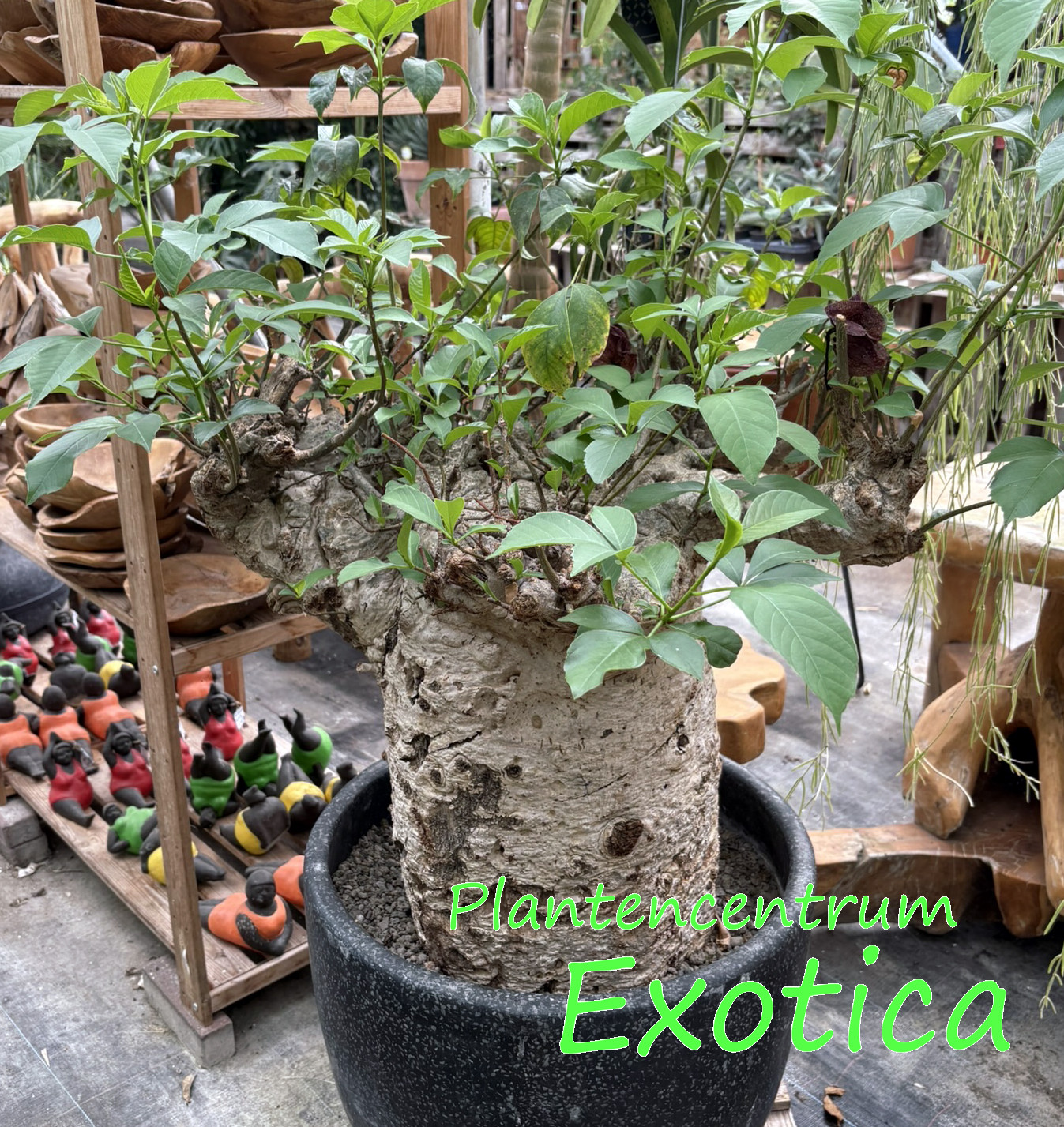
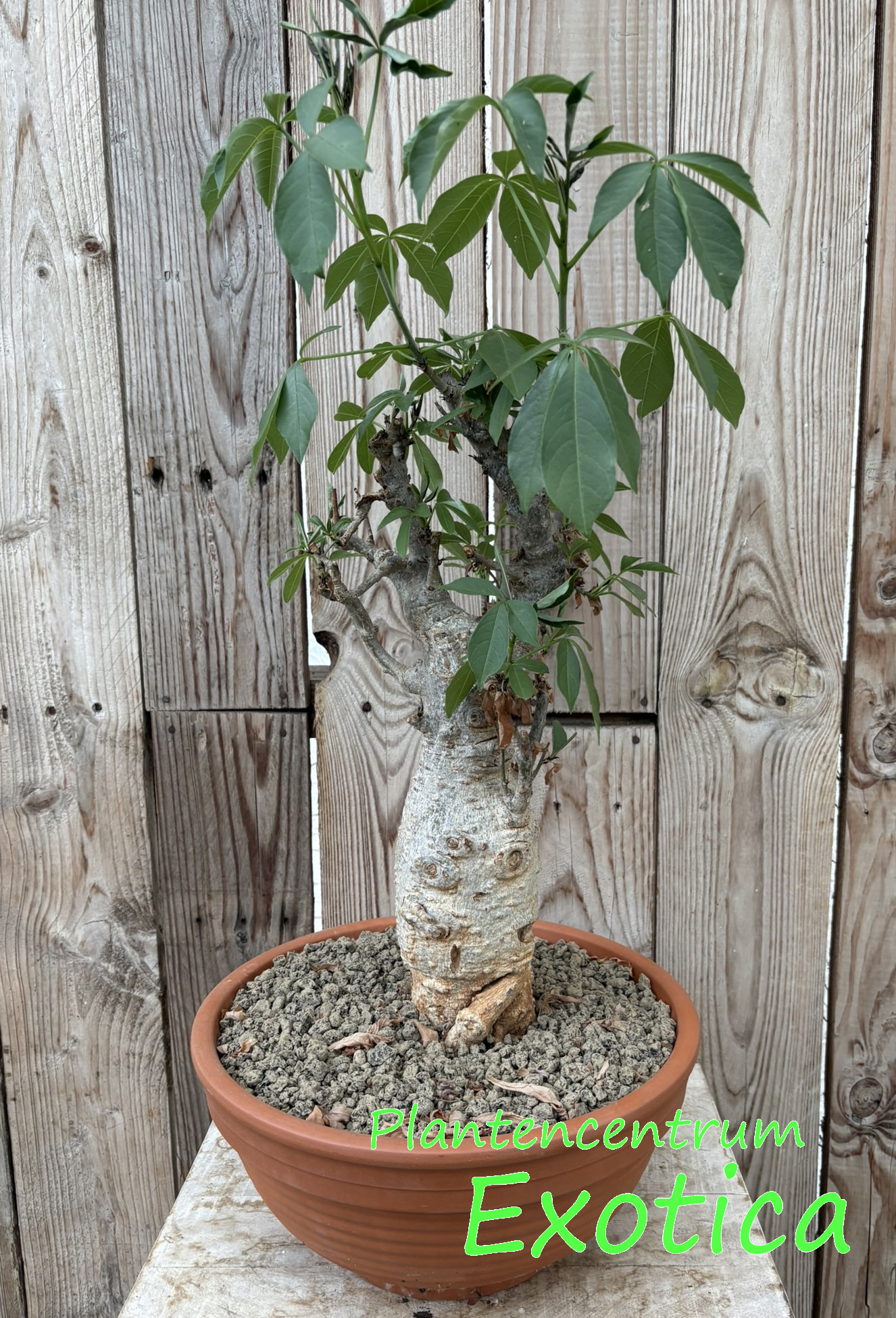

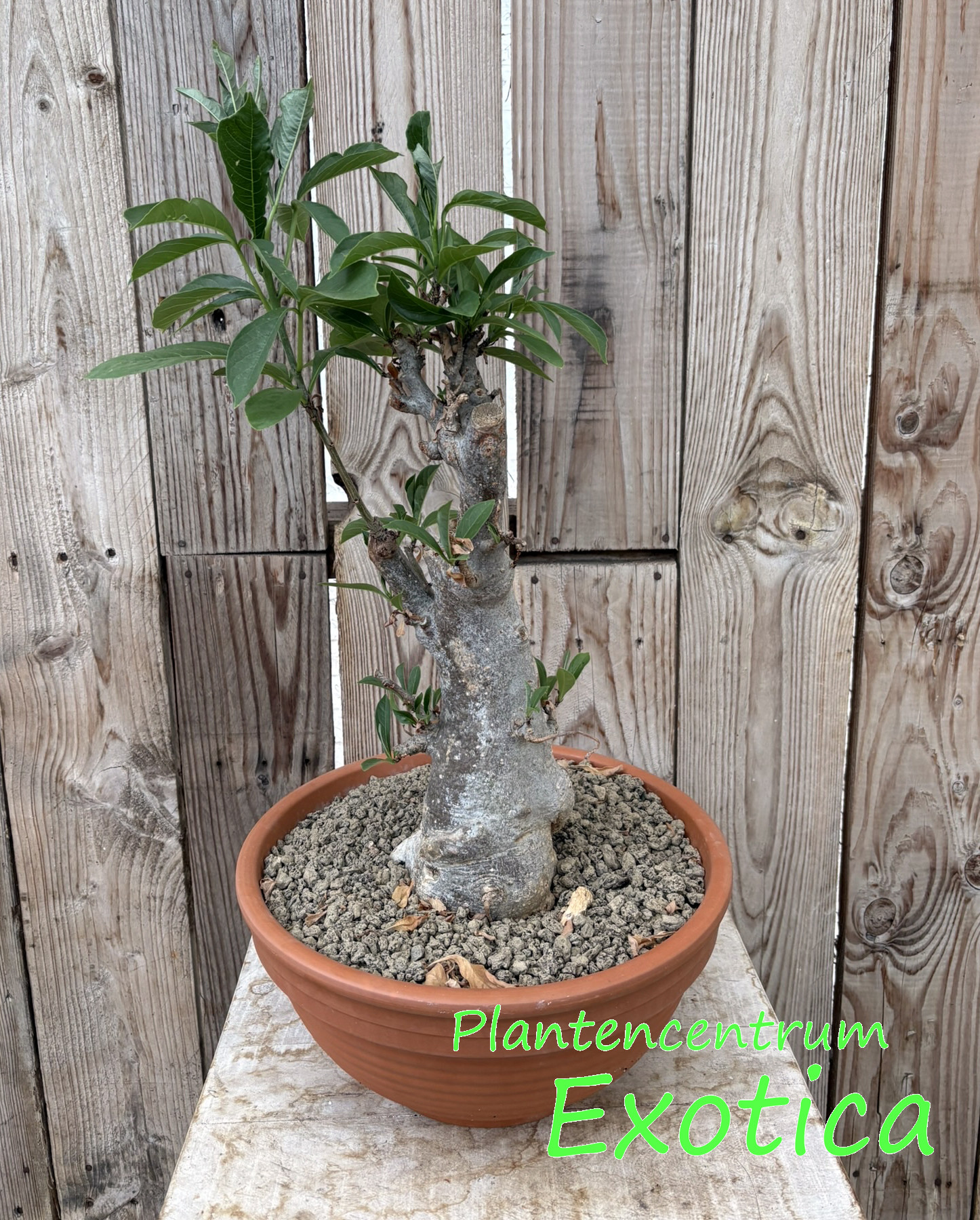
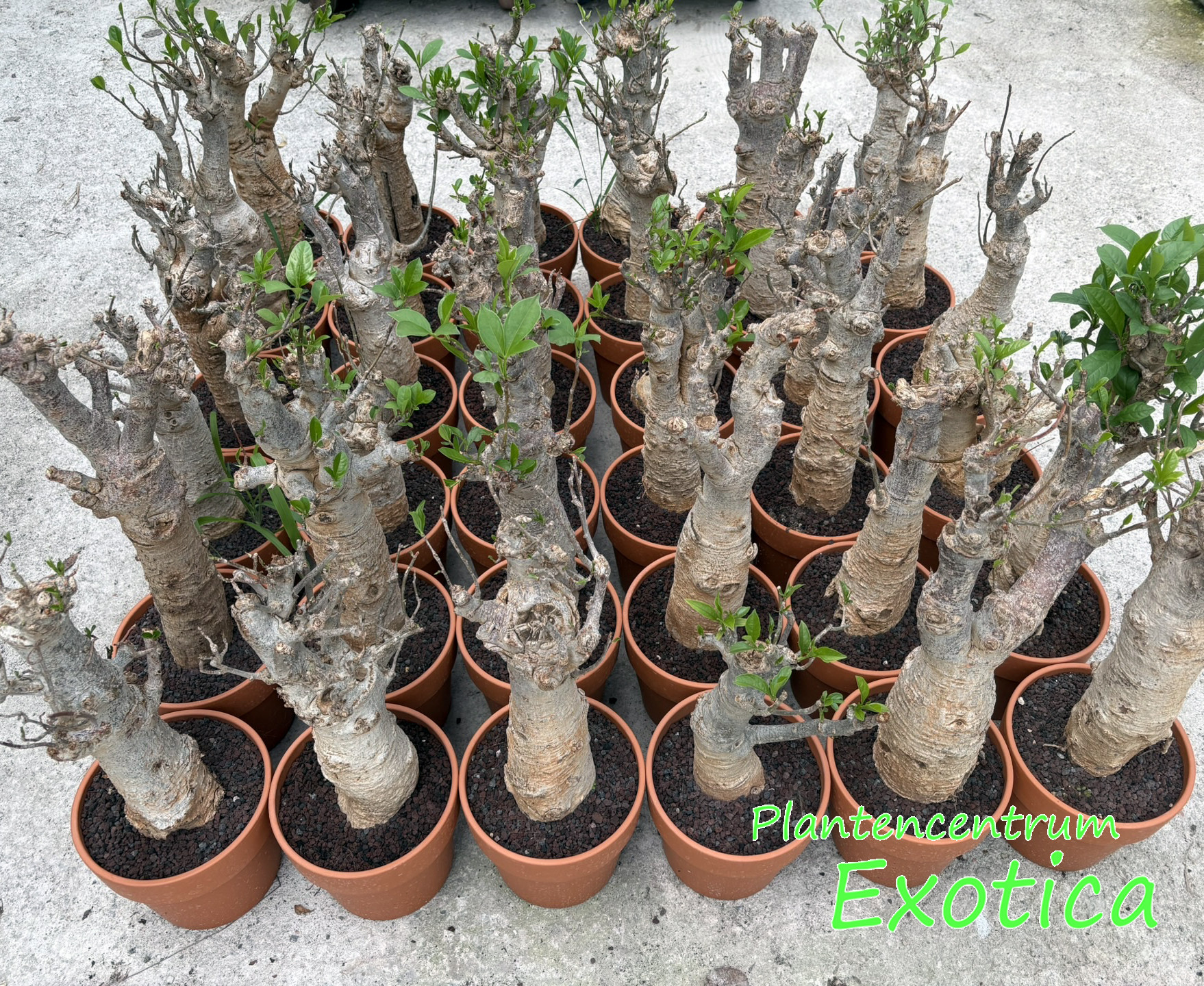
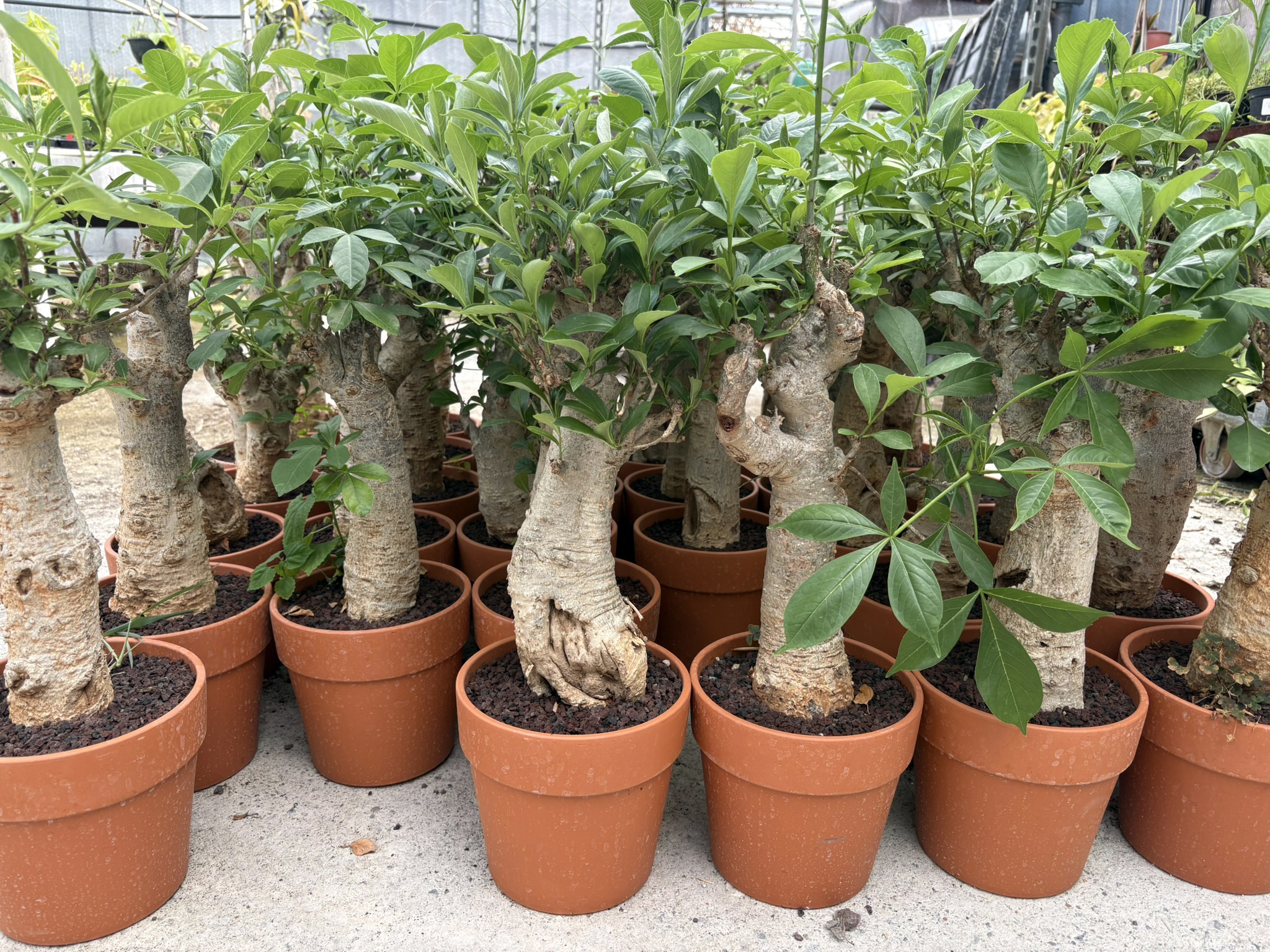
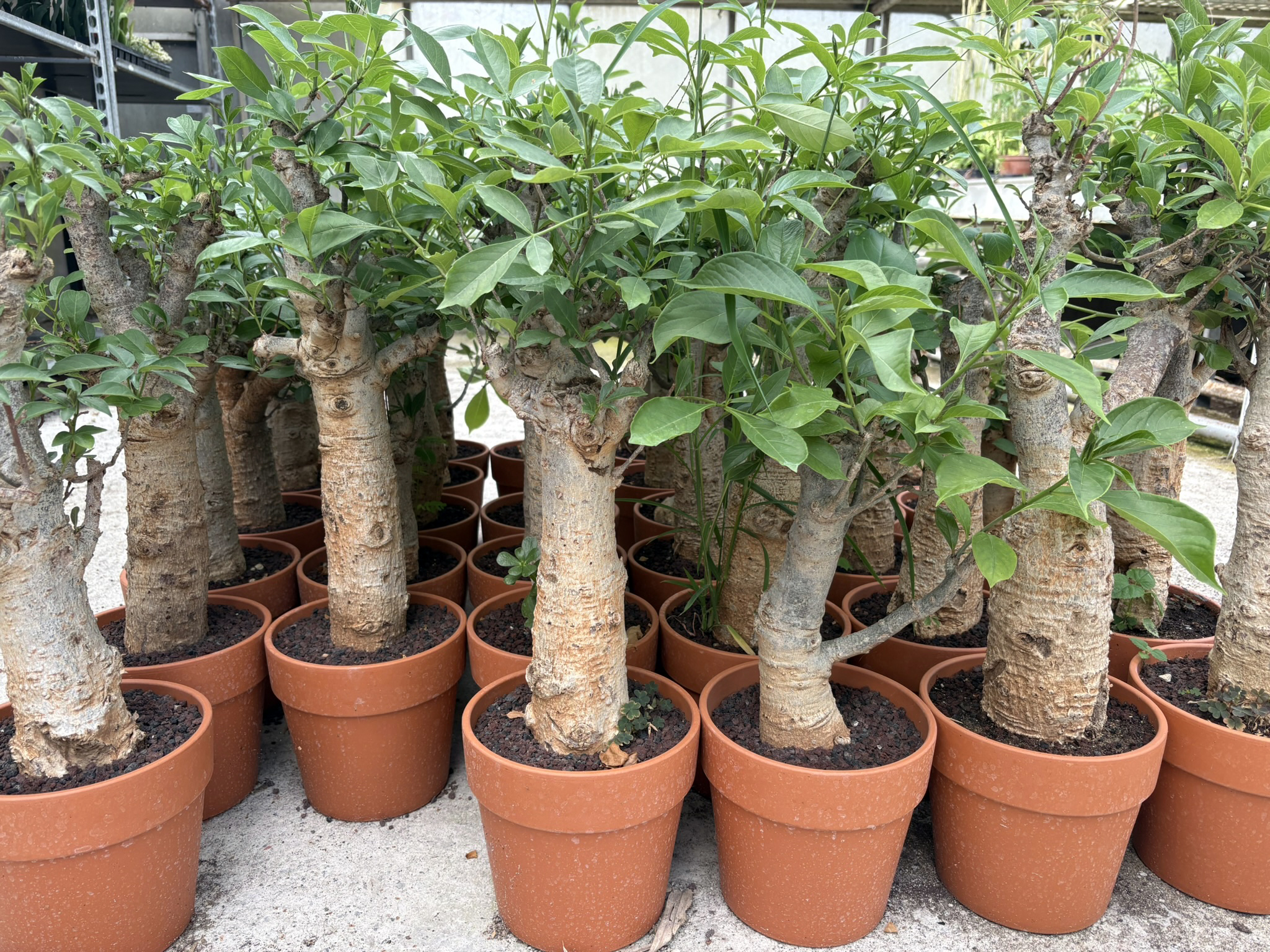
Adansonia Digitata – Baobab
| Min Temp : | +15° |
| Position: | Sunny |
| Water requirements : | Normal to dry |
| Flowering period: | Summer |
| Scented: | No |
| Edible: | No |
| Use : | Container / Houseplant |
| Evergreen: | No |
| Height: | 50 cm and more |
€199.50
Origin of Adansonia digitata (African baobab)
- The African baobab is indigenous to the arid, hot savannah regions of sub-Saharan Africa.
- It occurs across numerous countries in West, East, and Southern Africa, typically growing in open woodlands, scrublands, and savannahs.
- The tree is exceptionally long-lived and can reach ages ranging from several centuries to over a thousand years.
- It has been introduced to several regions outside of Africa, including parts of Asia, Australia, and the Caribbean.
Care and cultivation
- Climate: Warm and sunny; highly sensitive to cold (move indoors or protect when temperatures fall below 12°C).
- Water: Water moderately during the growing season, allowing the soil to dry thoroughly between waterings; provide almost no water during the dormancy period to prevent root rot.
- Soil: Well-drained, sandy or loamy soil; tolerates poor soil conditions well.
- Light: Full sun (at least 6 hours of direct light per day) is ideal.
- Growth: Slow-growing, suitable as a container plant, bonsai, or for warm gardens; seedlings may exhibit faster initial growth.
Uses and applications
- Nutrition: Leaves are consumed as a vegetable or powder; the fruit pulp is rich in vitamin C and used in beverages, powders, and as a thickening agent; seeds are also edible.
- Practical: Bark fibers are used for ropes, mats, and textiles; leaves serve as livestock fodder; the tree provides shade, water storage, and shelter.
Cultural: Plays a significant role in local economies and folklore; frequently referred to as the “tree of life” due to its versatility.
| Weight | N/A |
|---|
Related products
-
Opuntia Inamoena
€14.95


