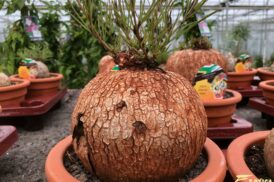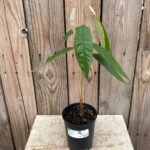
Durio zibethinus (Durian)
July 20, 2026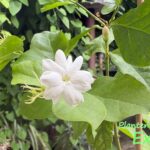
Jasminum Sambac – Arabian Jasmine – Maid of Orleans
July 21, 2026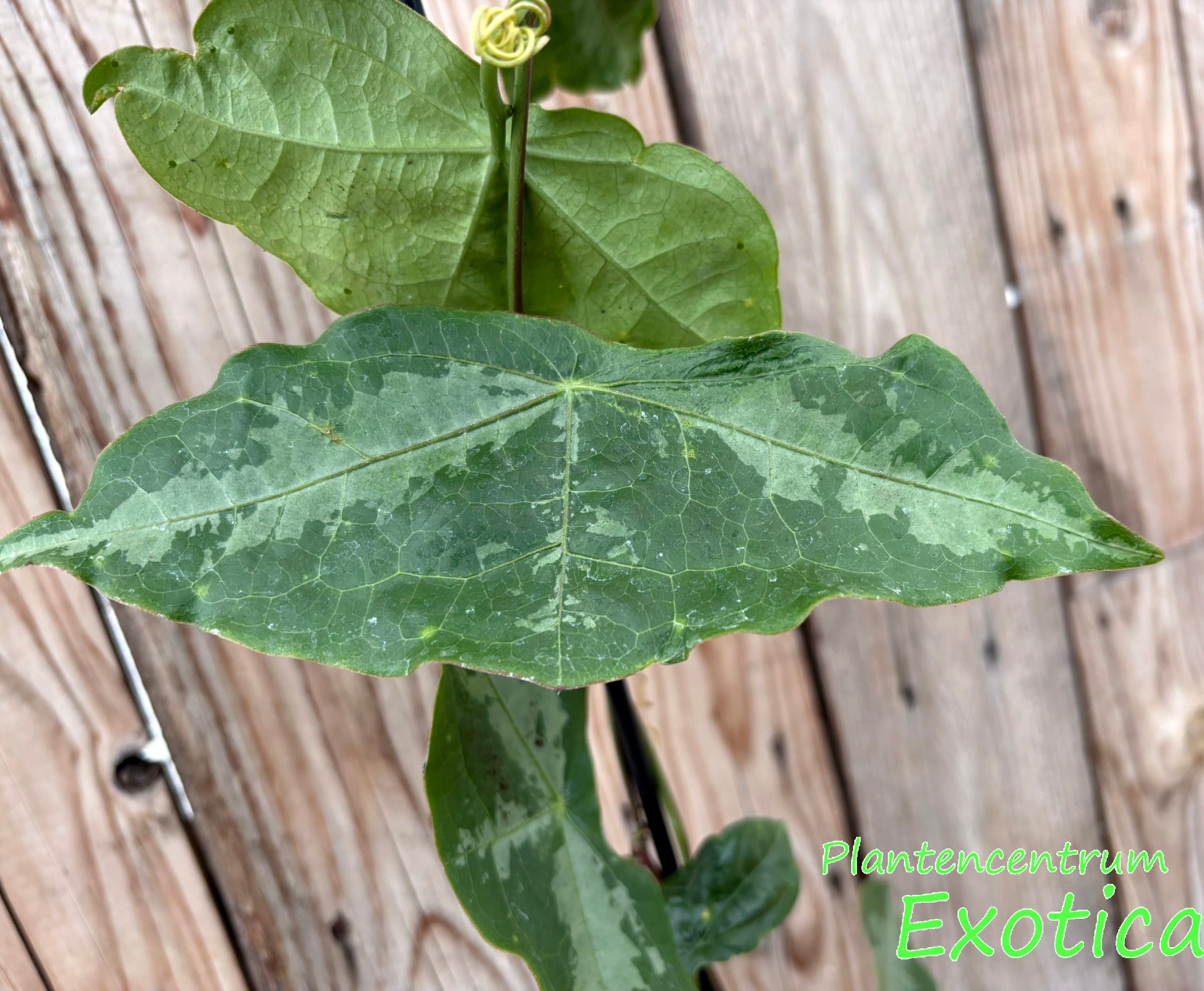
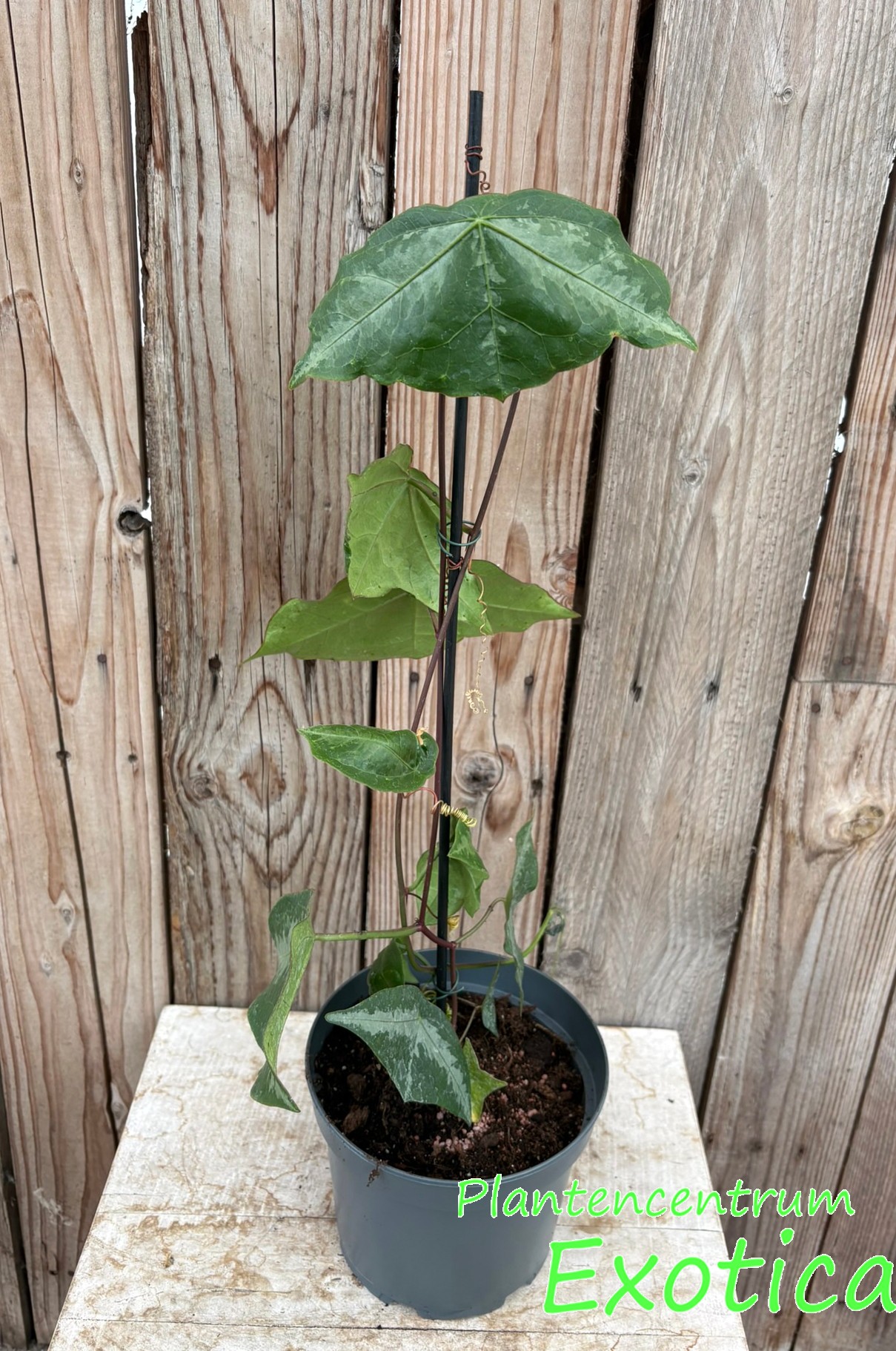
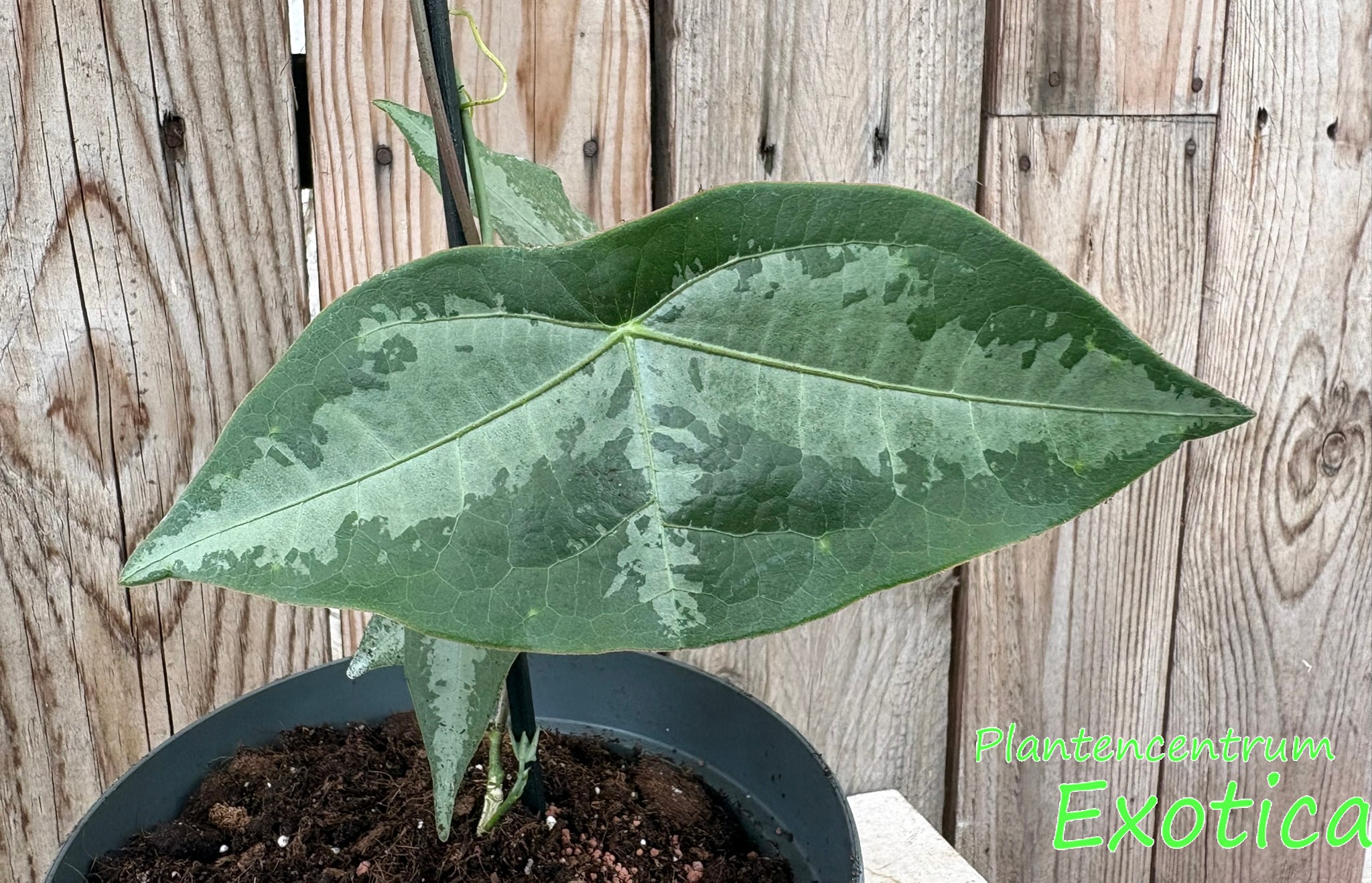
Passiflora Megacoriacea – Bat-wing Passion Flower
| Min Temp : | +10°C |
| Location : | Sunny / Halschaduw |
| Water requirements : | Medium to high |
| Flowering period: | Summer |
| Scented: | No |
| Edible: | No |
| Usage: | Pot / Terrace plant |
| Evergreen: | Yes |
| Height: | Climber |
€24.95
- Origin
- Passiflora megacoriacea is a tropical climber from Central America and northwestern South America.
- The species is native to Costa Rica, Panama, and Colombia, where it grows in moist tropical forests.
- The name megacoriacea literally means “large and leathery”, referring to the large, sturdy leaves.
- Care
- Keep the plant in a bright spot with plenty of indirect sunlight; avoid harsh afternoon sun.
- Use an airy, well-draining potting soil that stays slightly moist.
- Water regularly, but prevent the roots from sitting in wet soil for long periods.
- The plant enjoys high humidity.
- Ideal temperature: 18–28 °C; preferably do not let the temperature drop below 10 °C.
- Apply a balanced fertilizer regularly during the growing season.
- Provide a trellis or other support, as it is a fast-growing climber.
- Usage
- Mainly grown as an ornamental plant due to its unique leaves and elegant flowers.
- Suitable for a greenhouse, conservatory, or warm veranda; usually not hardy in cooler climates.
- The species is also ecologically interesting as a host plant for some passion vine butterflies (Heliconiinae) in its natural habitat.
- Unlike some other Passiflora species, P. megacoriacea is not known for edible fruit or medicinal use. Its ornamental value is its primary use.
| Weight | N/A |
|---|
Related products
-
Ipomoea Bolusii
€79.50