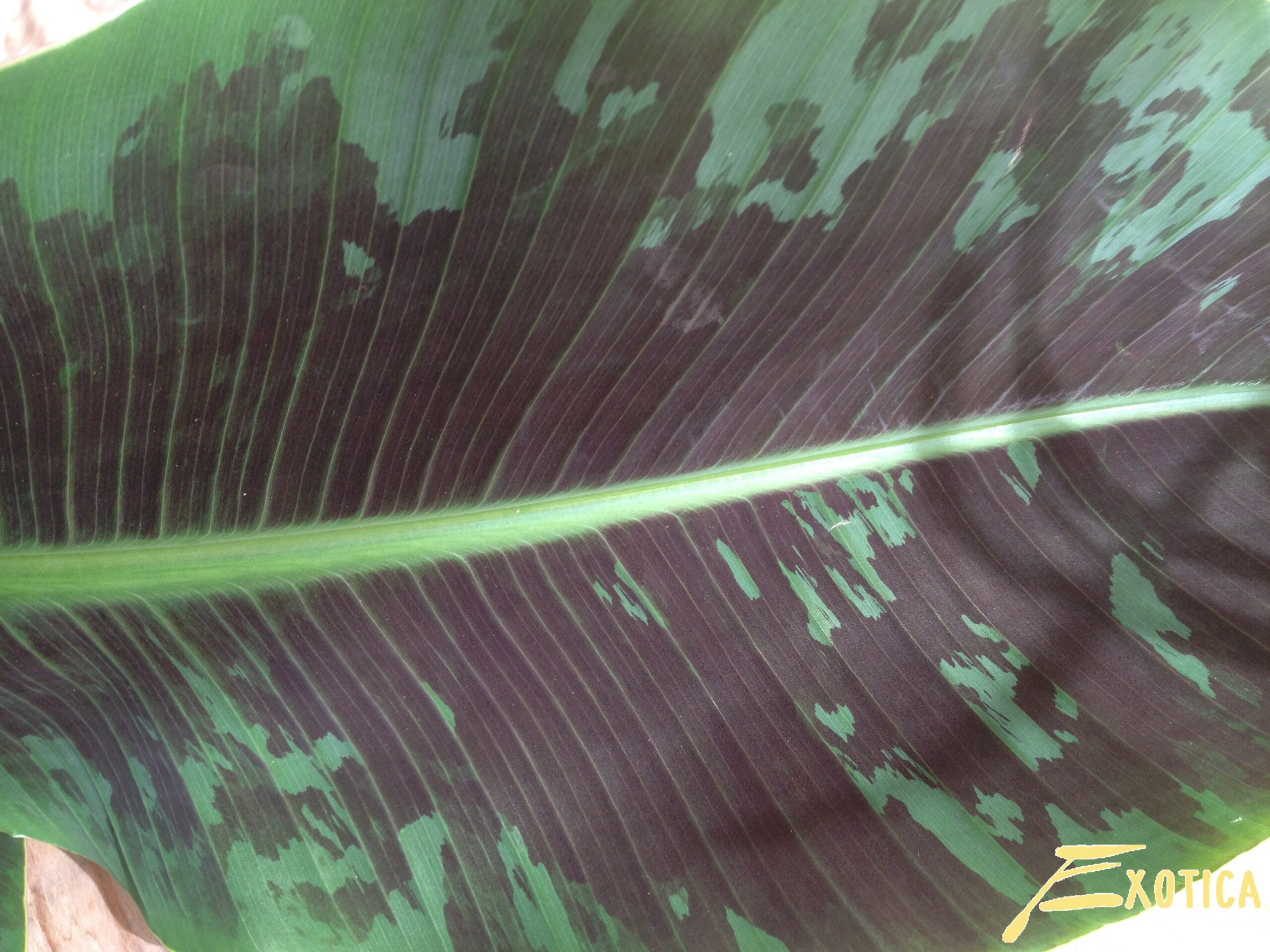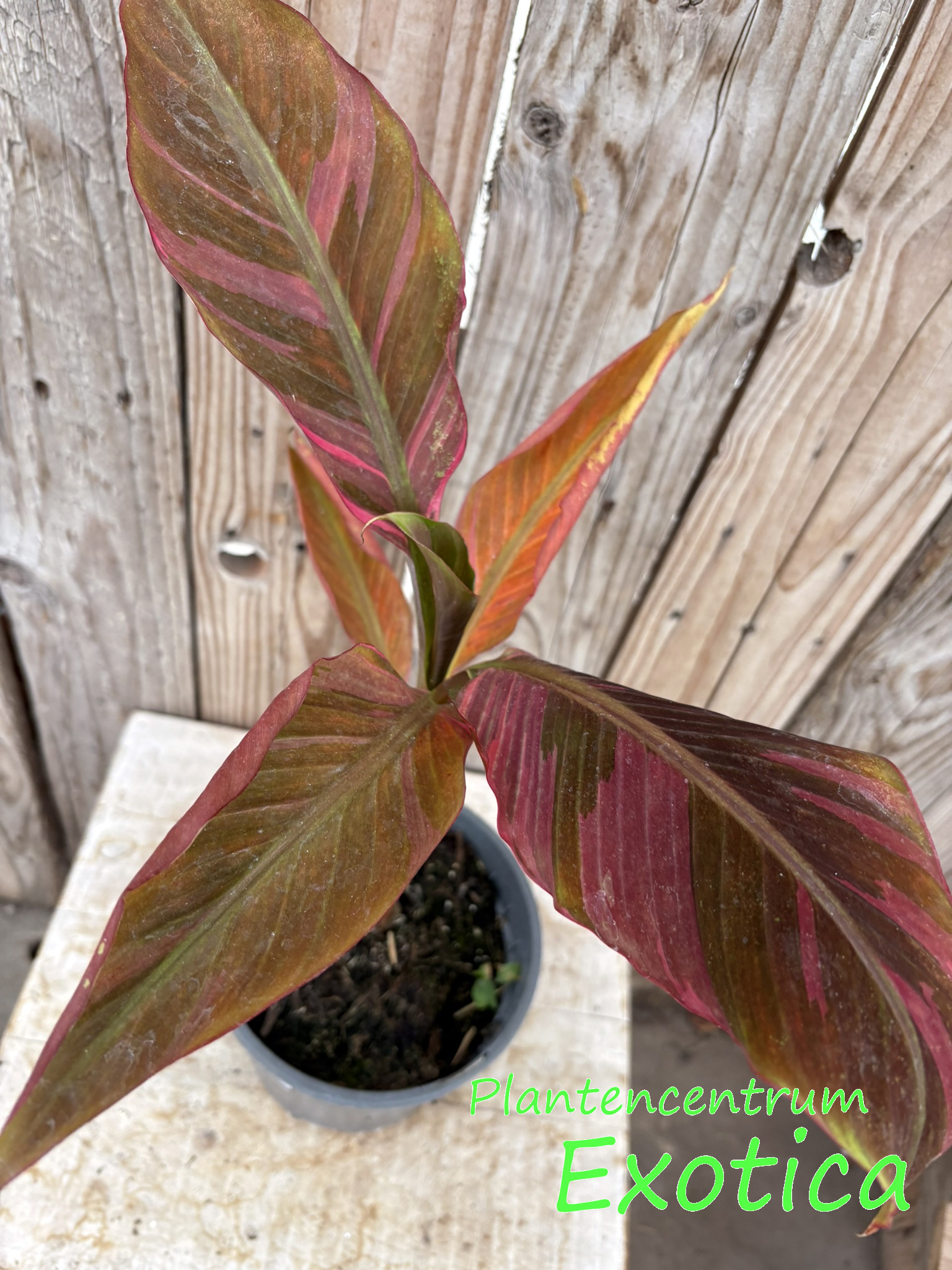
Musa Nono Pink variegata
July 18, 2025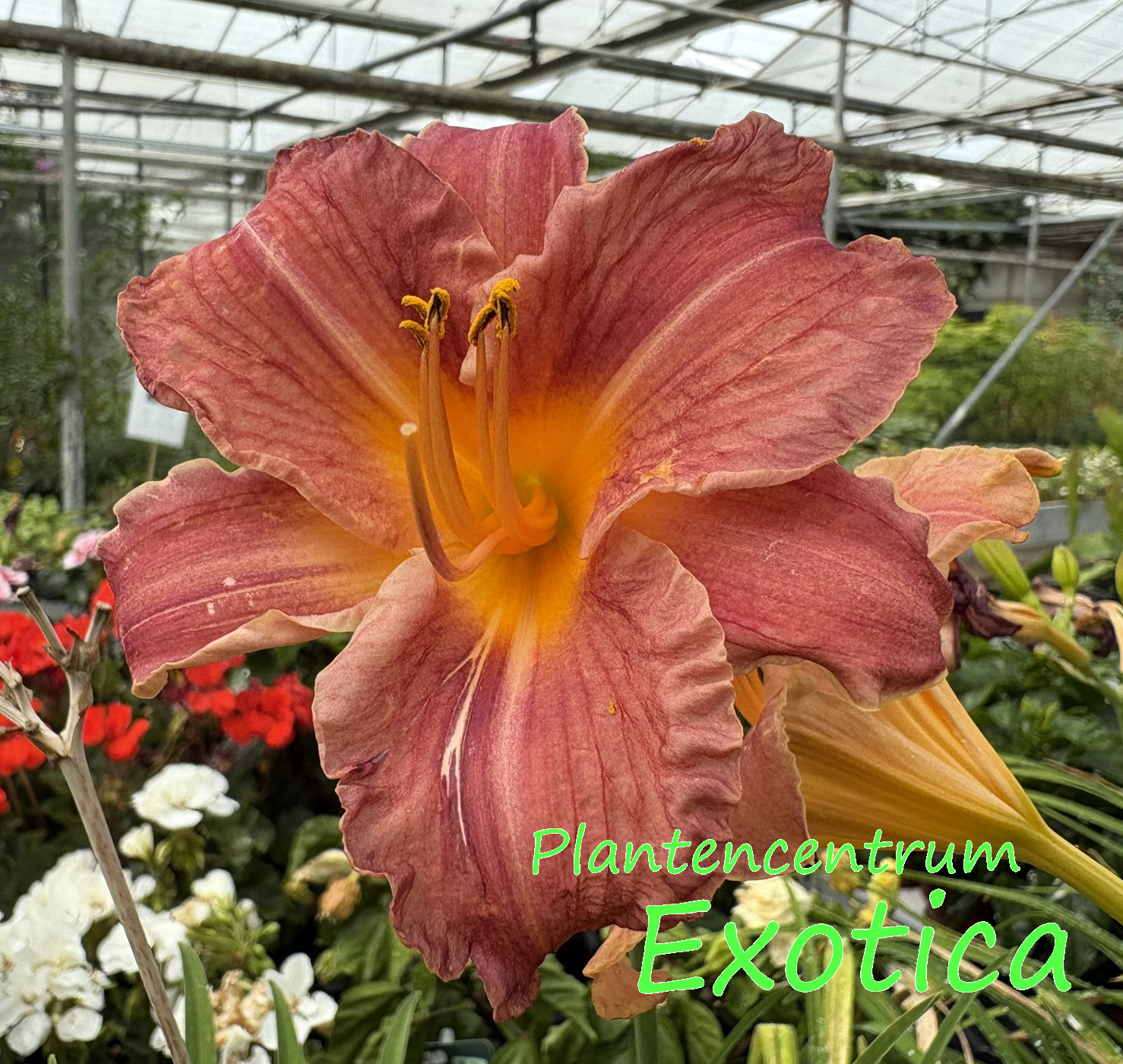
Hemerocallis ‘Endlessly Coral’
July 24, 2025

Musa Blue Java “Ice Cream”
Attention! Leaves are sometimes cut off for transport,
Due to the high growth rate, the size of the plant can vary throughout the year.
| Min Temp: | -7°C |
| Pitch: | Sun / Partial shade |
| Water requirements : | Medium to high |
| Flowering period : | Summer |
| Scented : | No |
| Edible: | No |
| Use: | Patio / Container plant |
| Evergreen: | Yes |
| Height: | Up to 150cm |
€26.95
A banana is a monocot and taxonomically belongs to the genus Musa, being the largest herbaceous plant in the world. The leaves are arranged in a spiral. The most widely cultivated group variety, Cavendish, can grow to over three meters tall, and the species Musa ingens can even reach twelve meters. The plant forms a pseudostem of overlapping, wing-like widened petioles, which is why it is often referred to as a banana tree. The pseudostem of Musa ingens can reach a circumference of three meters.
The banana is one of the oldest cultivated crops in the world. Bananas can be found in Buddhist scriptures as early as the sixth century BC. Commercial banana production began around 1871 in Costa Rica by an American engineer.
There are approximately 400 varieties worldwide, of which the Cavendish is the most important for the export of fresh dessert bananas. The world’s largest banana collection can be found in the tropical plant breeding lab in Leuven.
Banana leaves are used for roofing, and fibers are extracted from the pseudostem of the species Musa textilis. Food is also prepared in the leaves. In East Africa, the banana is widely used for making banana beer and wine.
Related products
-
Ensete lecongkietii
Price range: €11.95 through €19.95 -
Musa Dwarf Cavendish
Price range: €19.50 through €27.50