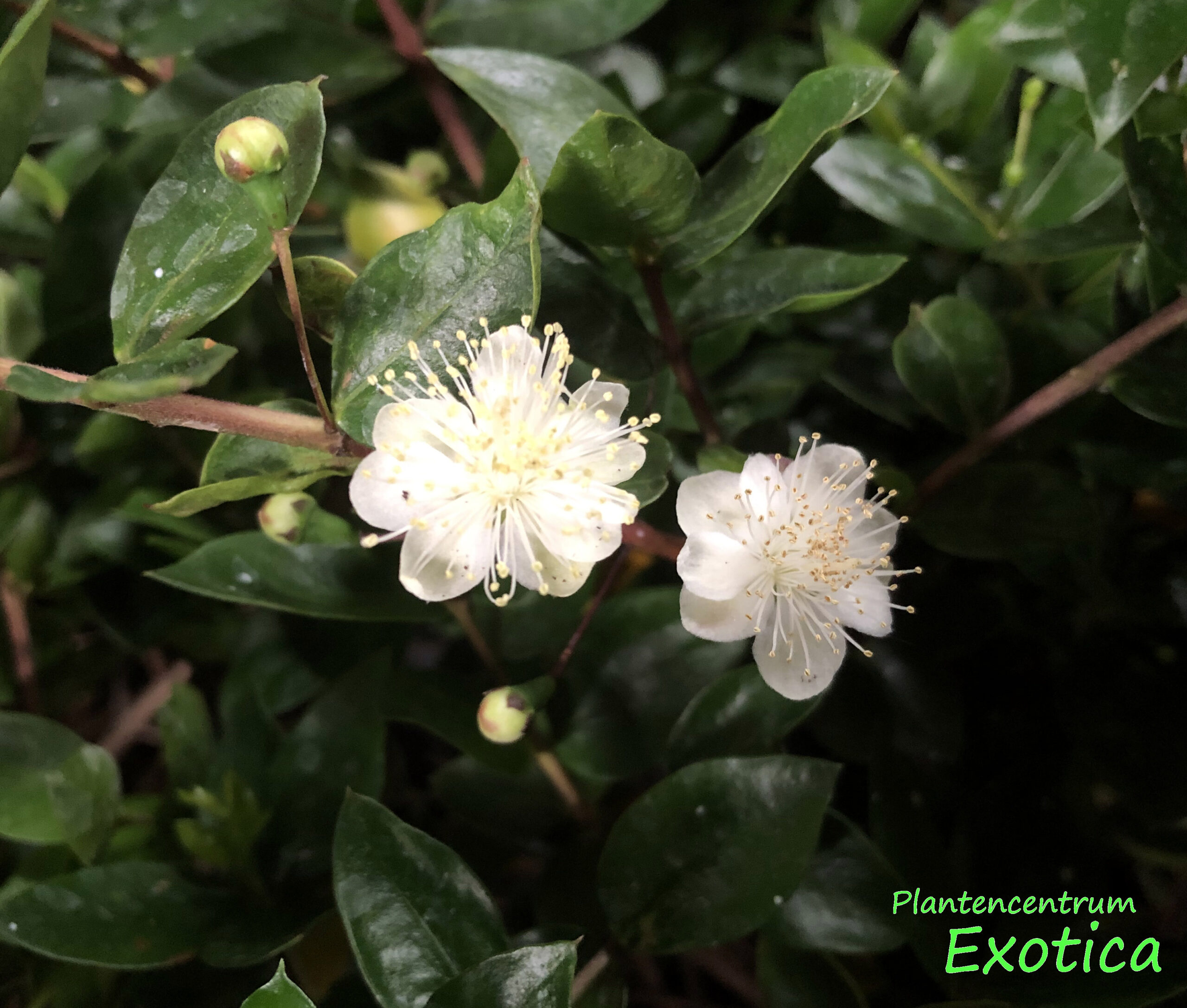

Diospyros Nigra – Black Zapote (kopie)
€19.95
| Min Temp : | +2° |
| Pitch: | Sunny / Partial shade |
| Water requirements : | High in summer, moderate in winter |
| Flowering period : | Late Spring |
| Scented : | No |
| Edible: | Yes |
| Use: | Tub / patio plant |
| Evergreen: | Yes |
| Height: | 2m and more |

Description
Diospyros nigra, commonly known as black sapote or chocolate pudding fruit, is a tropical fruit tree native to Mexico, Central America, and Colombia. It belongs to the persimmon genus Diospyros and is not related to other sapotes such as white sapote or mamey sapote. The tree is evergreen and grows to a height of 10-25 meters with a round crown, black bark and shiny, dark green leaves (10-30 cm long). It is dioecious, which means that the male and female flowers are usually on separate trees, although some trees have both, and female trees can produce seedless fruits without pollination.
The fruit, often called “zapote prieto” in Spanish, is tomato-like, 5-12 cm in diameter, with an olive-green to yellow-green skin when ripe. Unripe, the white flesh is tart and inedible, and is sometimes used in the Philippines as fish poison. When ripe, the dark chocolate-colored flesh has a creamy, sweet flavor similar to chocolate pudding, rich in vitamins A and C, calcium, and phosphorus. The fruits can be seedless or contain up to 12 seeds.
Black sapote thrives in hot, humid tropical lowlands up to 1800 meters altitude and tolerates most soils and light frosts (1-2 °C), but is generally sensitive to frost. The tree is suitable for USDA hardiness zones 11-12 and it takes 3-6 years for fruit to come out of seed. The tree is prized for its abundant fruits, graceful leaves, and shade, making it popular in tropical gardens and orchards.
The genus name Diospyros, from the Greek “dios” (divine) and “pyron” (fruit), traditionally reflects his esteemed status, which translates to “divine fruit” or “Zeus’ wheat”. In addition to food, the tree’s nutrient profile and adaptability make the fruit important in both traditional diets and modern cultivation.
Related products
-
- Out of Stock
- Caudici, Exotic Perennials, Indoor plants, Perennials, Succulents, Yuccas, Agaves & Succulents
Ipomoea Bolusii
- Price range: €49.50 through €79.95
- Select options This product has multiple variants. The options may be chosen on the product page
-
-
- Out of Stock
- Caudici, Exotic Perennials, Indoor plants, Perennials, Succulents, Yuccas, Agaves & Succulents
Mestoklema Tuberosum (violet flower)
- Price range: €49.95 through €129.95
- Select options This product has multiple variants. The options may be chosen on the product page
-
-
- Out of Stock
- Caudici, Exotic Perennials, Indoor plants, Perennials, Succulents, Yuccas, Agaves & Succulents
Pterodiscus Makatiniensis
- €27.50
- Select options This product has multiple variants. The options may be chosen on the product page
-