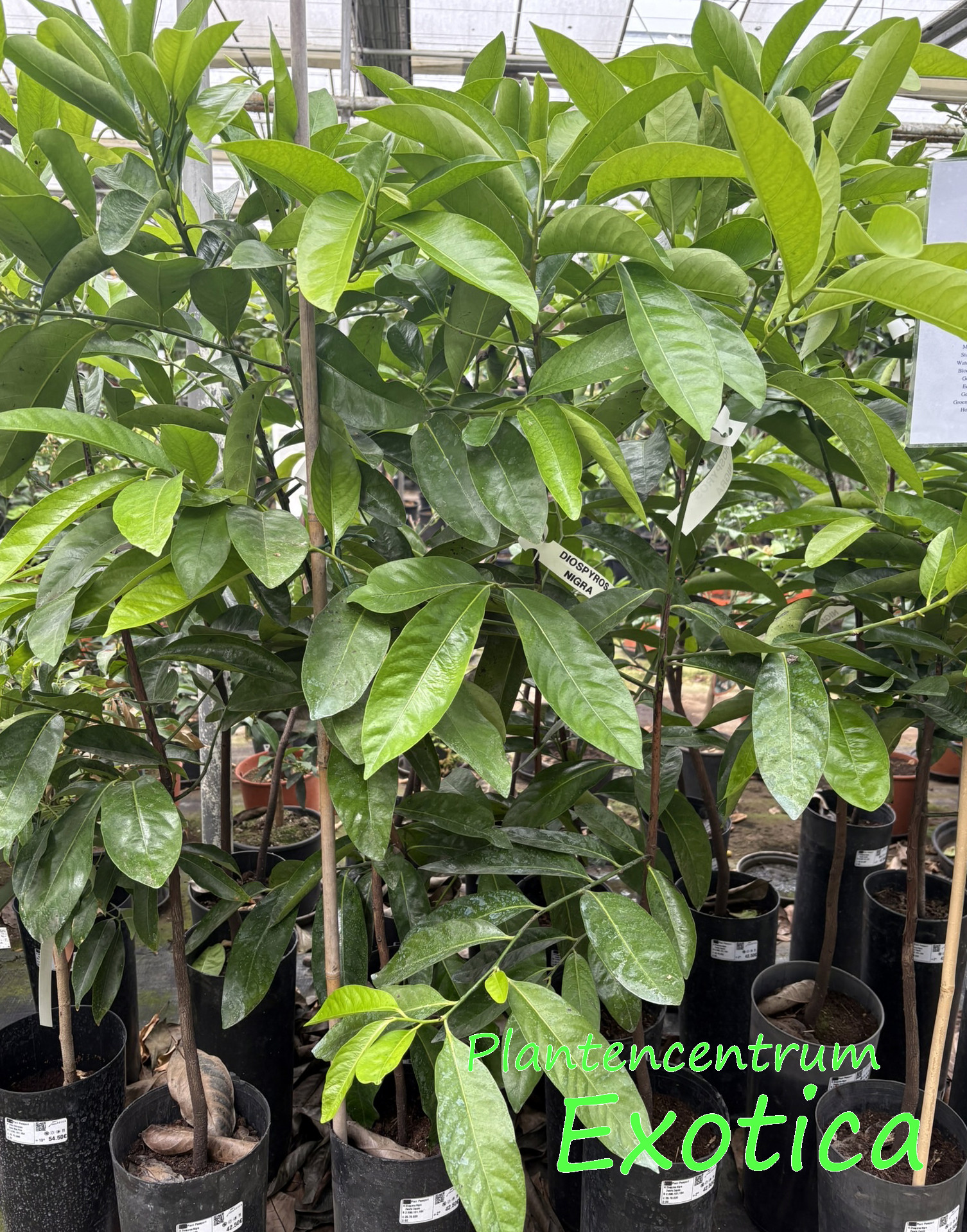
Diospyros Nigra – Black Zapote
April 17, 2025
Passiflora x Colvilli xEdulis (P. incarnata x P. caerulea x P. Edulis)
April 17, 2025
Eugenia aggregata – Eugenia involucrata – Cherry of the Rio Grande
| Min Temp : | -6° |
| Pitch: | Sunny / Partial shade |
| Water requirements : | High in summer, moderate in winter |
| Flowering period : | Late Spring |
| Scented : | No |
| Edible: | Yes |
| Use: | Tub / patio plant |
| Evergreen: | Yes |
| Height: | 2m and more |
€39.95
Eugenia aggregata (also known as Cherry of the Rio Grande) is a tropical fruit-bearing plant in the Myrtaceae family. The correct scientific name is actually Eugenia involucrata, but Eugenia aggregata is still often used as a synonym or older name in horticulture and fruit circles.
- Origin
- Native to southern Brazil, especially the state of Rio Grande do Sul and surrounding areas.
- Grows naturally in semi-evergreen forests, along rivers and in humid, subtropical zones.
- Known in Brazil for centuries as a wild fruit; introduced to Florida (USA) around the 1930s–1940s as an edible and ornamental plant.
- Now cultivated in subtropical/tropical regions such as South Florida, Texas, parts of Australia, South Africa and sometimes in protected gardens in milder climates (not hardy in the Netherlands/Belgium without greenhouse).
- Care / breeding
- Size: Slow-growing, evergreen shrub or small tree; usually 3–6 m high.
- Winter hardiness: Moderate; mature plants tolerate briefly up to approx. -6 to -8 °C (USDA zone 9–11); young plants more sensitive (protection needed below 0 °C). In NL/BE only overwinter in a greenhouse or as a container plant (cool, light, frost-free indoors).
- Position: Full sun to light partial shade; preferably sunny and sheltered from cold winds.
- Soil: Well-drained, moderately fertile; sandy loam to loamy; tolerates various soils but not wet feet (root rot risk).
- Water: Regular watering in the growing season and during flowering/fruiting; drought tolerant once established, but deep waterings in heat for better harvest.
- Nutrition: Lightly fertilize with fruit tree or organic fertilizer (3x a year, spring–summer); micronutrients (such as magnesium) are useful in winter.
- Pruning: Little needed; topiary or maintenance pruning in late winter/early spring; Can be trained as a shrub or small tree for easy picking.
- Pests/diseases: Few problems; sometimes fungi in too wet conditions; Birds like to eat the ripe fruits.
- Usage
- Edible: The fruits (1–2 cm, dark red to purple-black) taste sweet, cherry-like raw food, freezing, juice, liqueur, or desserts.
- Harvest time: Flowers often March–May; fruits ripen 3 weeks later, main season late spring–early summer; sometimes flowering through.
- Ornamental value: Beautiful glossy dark green leaves, white flowers and attractive exfoliating bark; Attracts birds and bees.
- Pros: Excellent alternative to true cherries (Prunus) in warm climates where they don’t grow; sweet and productive with minimal care.
Related products
-
Mestoklema Tuberosum (violet flower)
Price range: €49.95 through €129.95 -
Ipomoea Bolusii
€79.50 -
Ipomoea Simplex
€22.50