Cestrum Lilac
December 21, 2024
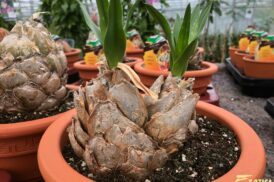
Dioon merolae
January 10, 2025
Elettaria Cardamomum – Cardamom
| Min Temp : | +10° |
| Pitch: | Sunny / Partial shade |
| Water requirements : | High in summer, moderate in winter |
| Flowering period : | summer/autumn |
| Scented : | Yes |
| Edible: | Yes, Seeds |
| Use: | Pot plant / terrace |
| Evergreen: | No |
| Height: | Up to 60cm |
€9.95
The Elettaria cardamomum, commonly known as green cardamom, is a tropical plant that is best known for its aromatic seeds, which are used as a spice. Here are some interesting facts about this plant:
The plant has long, lance-shaped leaves that can reach a length of 60 cm. The leaves are dark green and glossy.
The flowers are small and white to light green in color. They grow on separate flower stalks that emerge from the base of the plant.
The plant produces small, triangular seed pods that are green when fresh and turn yellow as they dry. These pods contain the aromatic seeds that are used as a spice.
The Elettaria cardamomum is native to the tropical rainforests of southern India and Sri Lanka.
Today, the plant is also grown in other tropical areas, such as Guatemala, Tanzania, and Vietnam. Guatemala is currently one of the largest producers of cardamom.
Cardamom seeds are widely used in both sweet and savory dishes. They are a key ingredient in many Indian, Middle Eastern and Scandinavian dishes. Cardamom is also used in beverages such as coffee and tea.
In traditional medicine, cardamom is used for its supposed health benefits, such as improving digestion, relieving stomach upset and reducing inflammation.
The seeds are also used to produce essential oil, which is used in aromatherapy and perfumes.
The Elettaria cardamomum thrives in a warm, humid, tropical climate. It is not winter hardy and cannot tolerate frost.
The plant prefers well-drained, fertile soil that is rich in organic matter.
Partial shade is ideal for optimal growth. The plant naturally grows under the canopy of larger trees in the rainforest.
The plant requires regular watering to keep the soil moist, but not soggy.
During the growing season, the plant can benefit from a balanced fertilizer to promote healthy growth and abundant fruit production. Pruning is usually not necessary, except to remove dead or damaged leaves.
Cardamom is one of the most expensive spices in the world, after saffron and vanilla.
Cardamom has been used for thousands of years in both culinary and medicinal applications. It was used by the ancient Egyptians for its aromatic properties and by the Greeks and Romans for its medicinal properties.
| Weight | N/A |
|---|
Related products
-
Urginea Epigea
€42.50 -
Euphorbia Trichadenia
€49.95