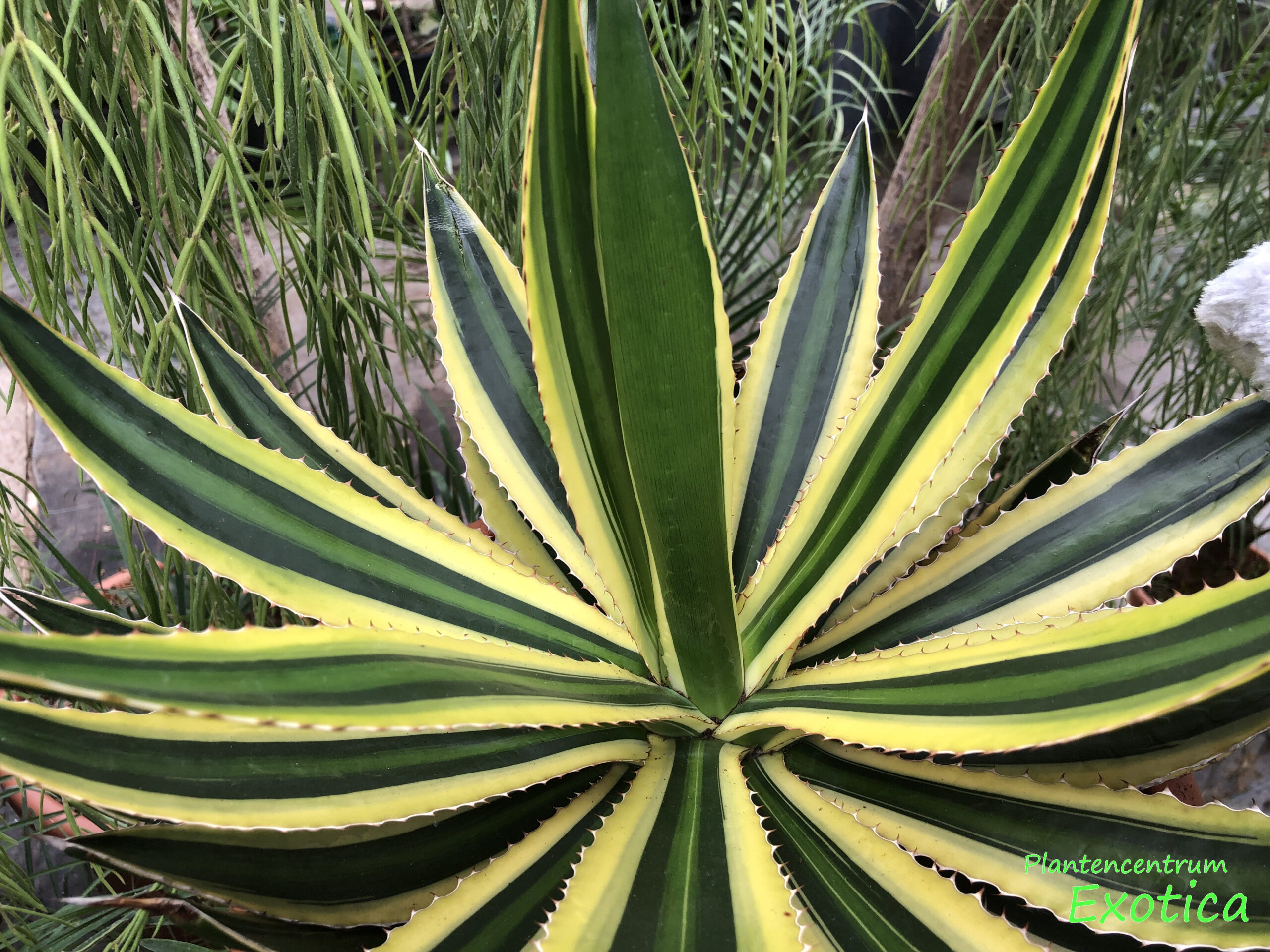
Agave Lophantha Quadricolor
January 3, 2015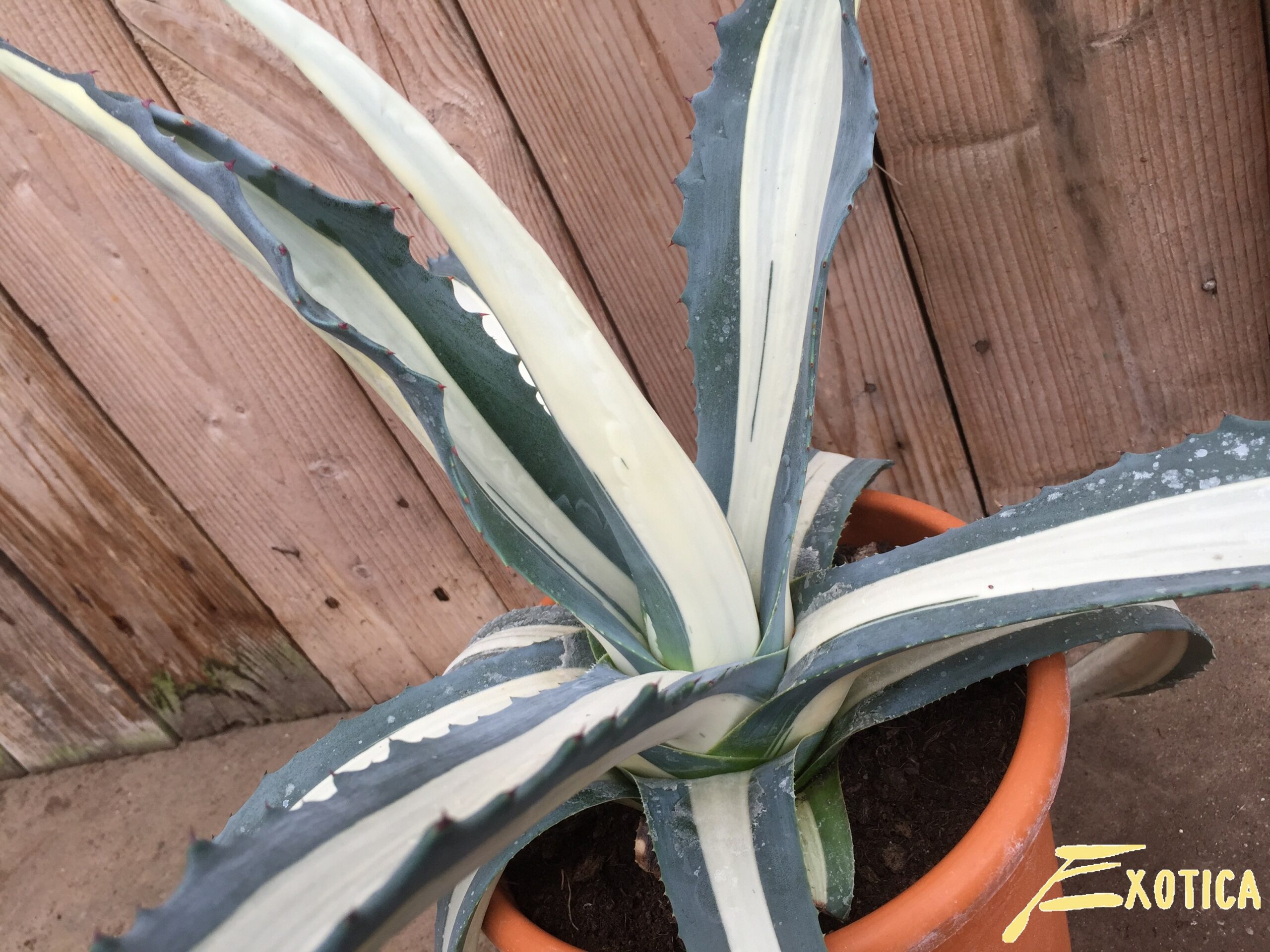
Agave Mediopicta
January 3, 2015

Agave Gentry
| Min Temp : | -12°C |
| Pitch: | Sunny |
| Water requirements : | Limited |
| Flowering period : | – |
| Scented : | No |
| Edible: | No |
| Use: | Tub / Patio plant / Open ground |
| Evergreen: | Yes |
| Height: | Up to 0.5m |
€29.95
Agave gentryi
- Origin:
- Endemic to northeastern and central Mexico, in the mountains of the states of Coahuila, Zacatecas, Nuevo León, San Luis Potosí and Tamaulipas.
- Grows wild in pine-oak forests and xerophilic scrub (dry scrub) at high altitudes (2,100–2,800 m), often in hard-to-reach places.
- Care:
- Medium to large solitary rosette 1.2–1.8 m high and 1.2–1.8 m wide (sometimes up to 2 m); thick broad leaves in light green to grey-green, with large teeth, long black terminal thorn and striking bud imprints; few offsets.
- Requires full sun to partial shade; extremely well-drained, lean/rotten/sandy soil, drainage crucial.
- Very drought tolerant: water sparingly (let the soil dry completely), keep dry in summer and almost completely dry in winter; Ideal for xeriscape, rock gardens or large pots.
- One of the most cold-resistant large agaves: hardy to -12 to -15 °C (USDA zone 7–10); grows slowly, monocarpically (flowers after 7–15+ years with a 3.5–5.5 m tall stem with yellow flowers); Low maintenance, minimal fertilization.
- Usage:
- Mainly as an ornamental plant: beautiful architectural accent plant with sturdy rosettes; Popular in dry gardens, coastal gardens, rock gardens or containers due to its hardness and variable leaf colours/shapes.
| Weight | N/A |
|---|
Related products
-
Agave Geminiflora
€49.95 -
Agave Lophantha Quadricolor
€14.50