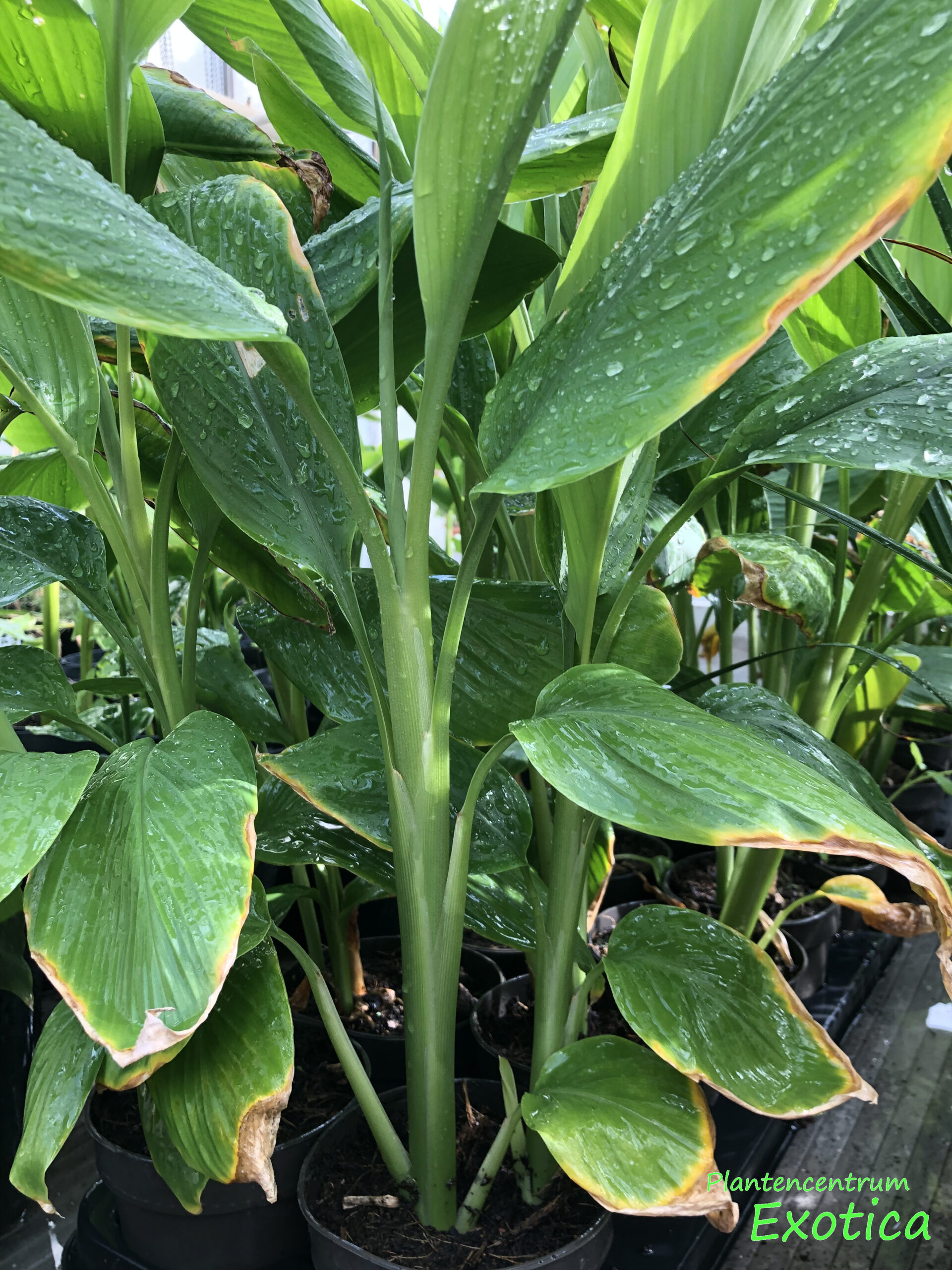
Curcuma Longa – Kurkuma – Turmeric
September 17, 2023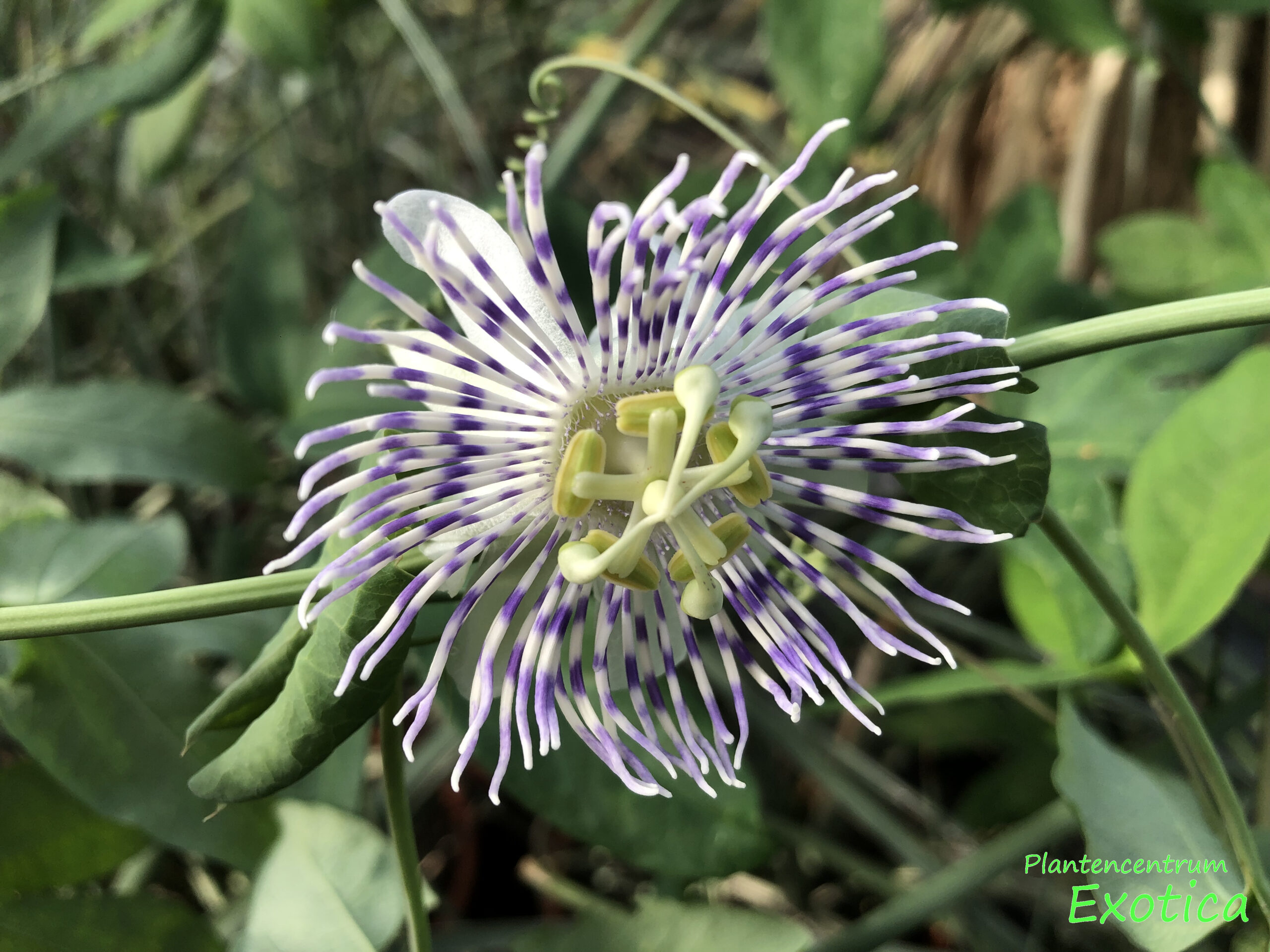
Passiflora Naviculata
September 30, 2023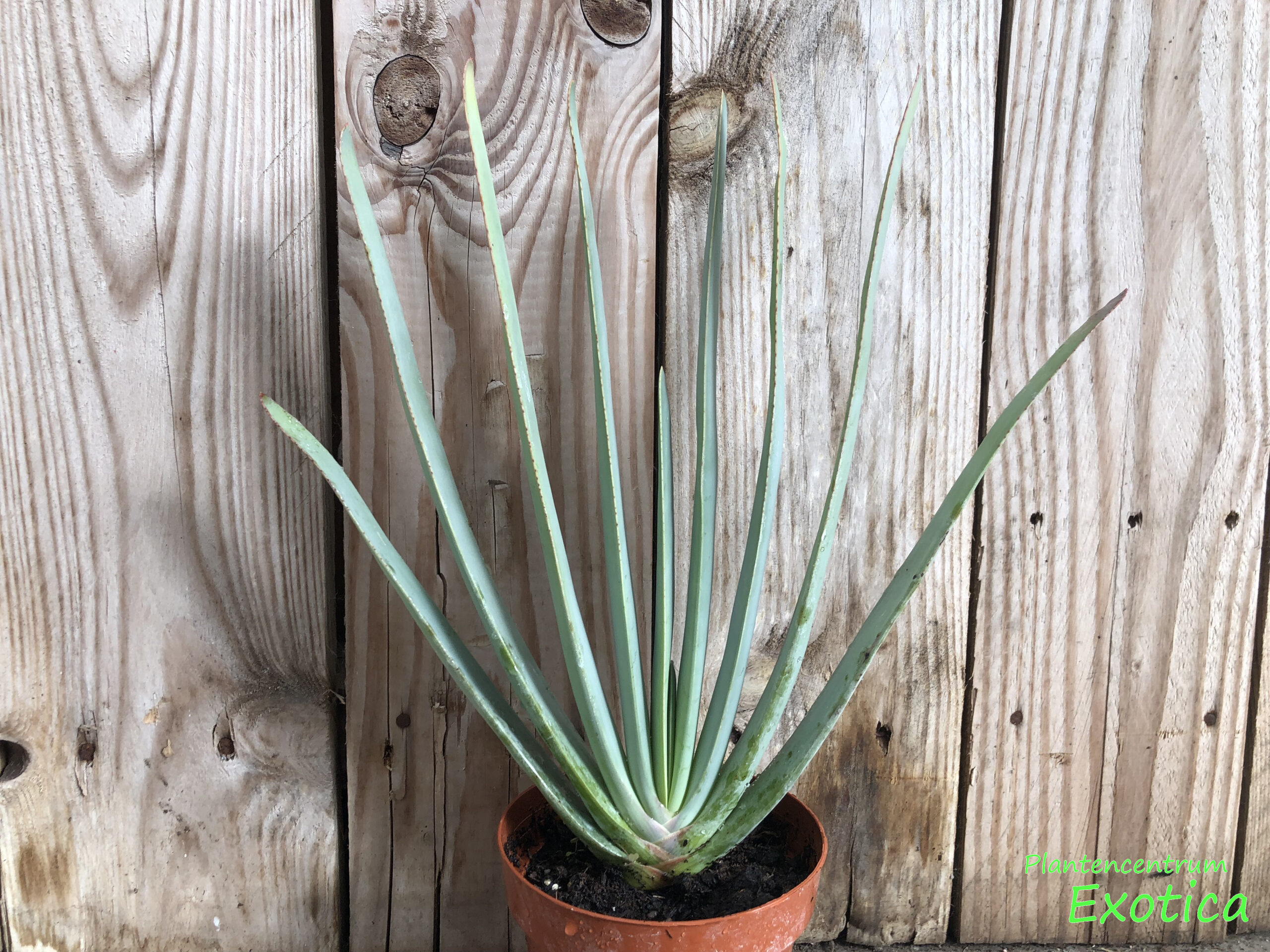

Aloe Plicatilis – Fan Aloe
- The larger size is field grown and has imperfections in the leaves.
| Min Temp : | +5°C |
| Pitch: | Sunny / partial shade |
| Water requirements : | Limited |
| Flowering period : | Summer |
| Scented : | No |
| Edible: | No |
| Use: | Container / houseplant |
| Evergreen: | Yes |
| Height: | Up to 1m and more |
Price range: €14.95 through €57.50
Aloe plicatilis, also known as fan aloe, fan aloe, is a unique succulent with fan-shaped, flat leaves.
Origin
- Originally from South Africa, specifically the Western Cape.
- Grows naturally on steep, rocky slopes, in fynbos scrub and clearings with winter rains and dry summers.
- Endemic to this region; adapted to acidic, well-drained, sandy or gravelly soils at altitudes of 300–1500 metres.
- One of the few tree-like aloes with a forked trunk; In the wild it can grow up to 5–6 meters high, but in culture it is often smaller.
Care
- Grows slowly into a shrub or small tree 1.5–2 metres tall, trunk grey and smooth, with fan-shaped clusters of flat, blue-green leaves (12–30 cm long, curved).
- Prefers full sun light partial shade possible, but full sun gives more compact growth and better color.
- Plant in very well-drained soil (sandy, gravelly, cactus/succulent mix, slightly acidic); Avoid heavy clay or wet feet (root rot risk).
- Watering: extremely drought tolerant; deep but rarely watering (soak-and-dry method); allow the soil to dry completely between waterings; keep almost dry in winter (dormant period); Overwatering is its biggest enemy.
- Winter hardiness: moderate (USDA zones 9b–11); tolerates light frost up to about -5 to -8 °C for a short time; in colder climates (such as the Netherlands) grow as a container plant and overwinter frost-free (min. 5–10 °C, light spot indoors).
- Fertilization: little to none; in case of emergency in the growing season (autumn/winter, because winter grower) a low dose of cactus fertilizer; avoid over-fertilization.
- Pruning: minimal; remove only dead leaves or branches; Heavy pruning stimulates branching.
Usage
- Mainly ornamental plant appreciated for unique fan-shaped leaves, architectural trunk and exotic look; Perfect as a solitary accent in gardens, rock gardens, borders, containers or Mediterranean/Xeriscape landscapes.
- Attracts hummingbirds and bees with red/orange tubular flowers in winter/spring; flowers in clusters at the branch ends.
- Stem is fireproof, therefore popular in fire-prone areas.
| Weight | N/A |
|---|
Related products
-
Adenia Spinosa
€59.50 -
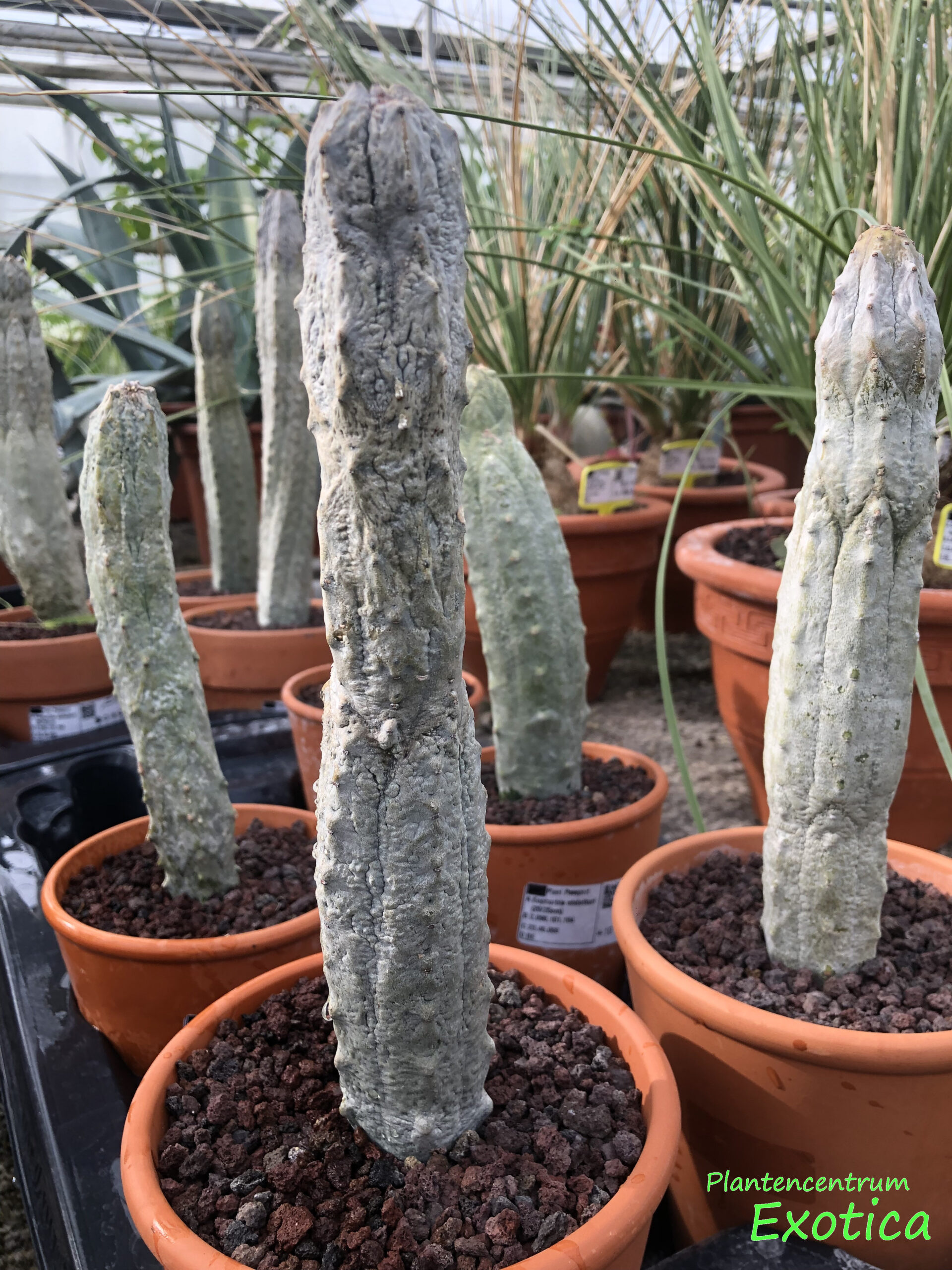
Euphorbia abdelkuri
Price range: €75.00 through €105.00