Opuntia Neuquensis
February 11, 2016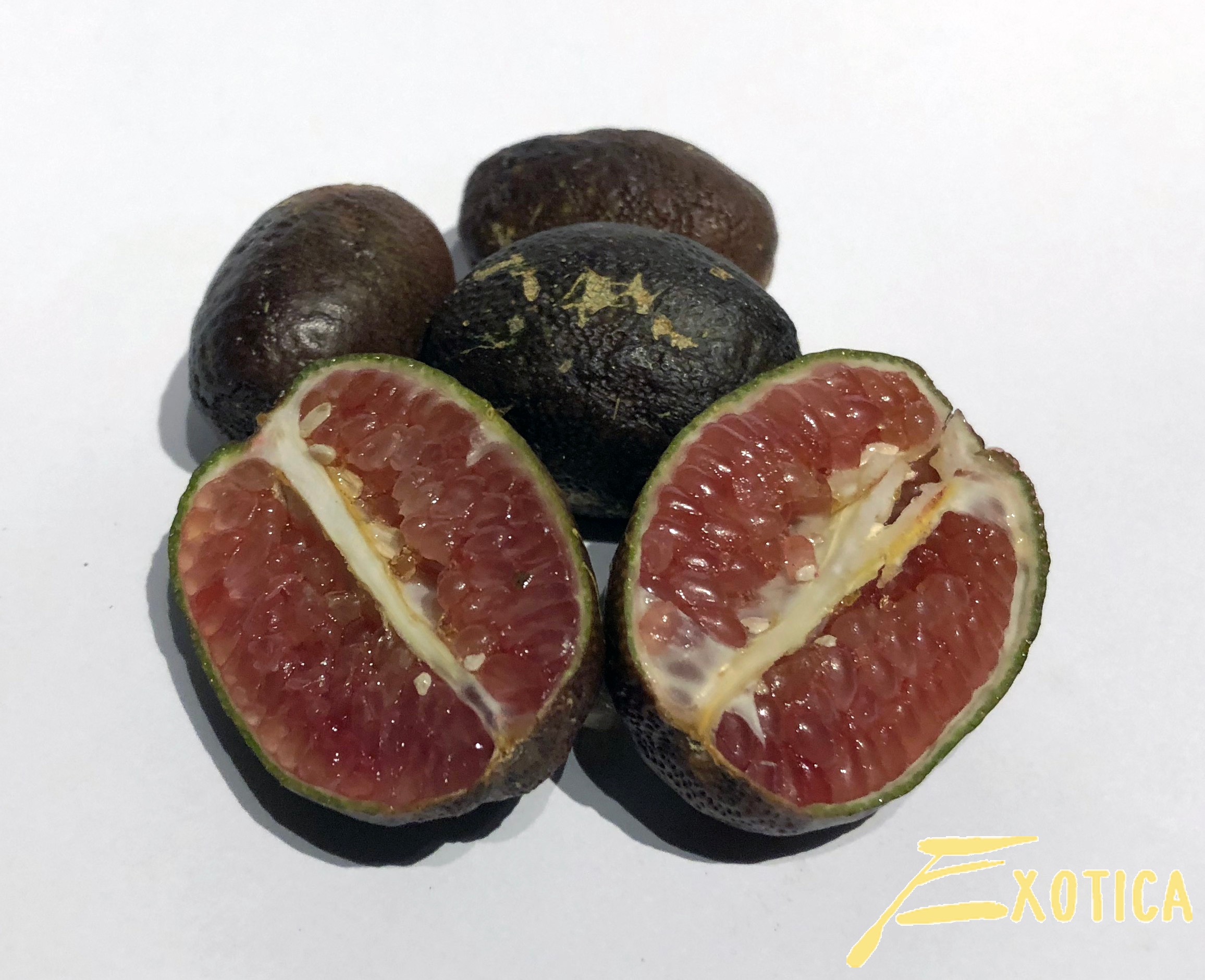
Microcitrus Australasica (Finger lime, citrus caviar)
March 13, 2016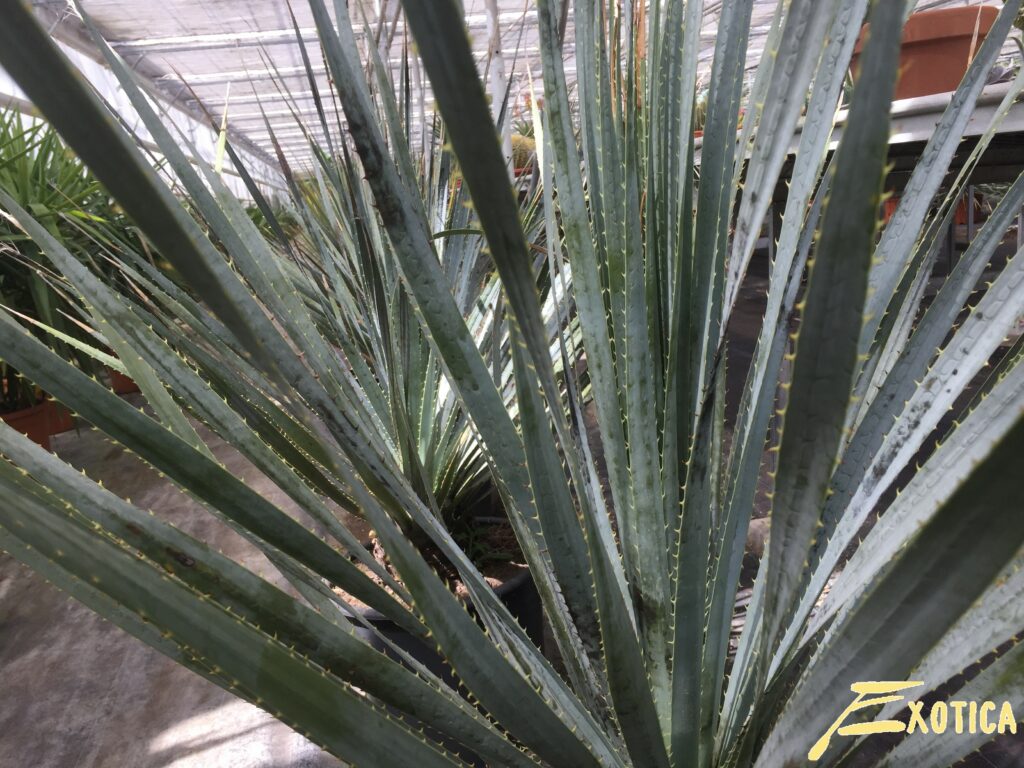
Dasylirion Wheeleri – Desert Spoon
| Min Temp : | -14°C |
| Pitch: | Sunny |
| Water requirements : | Limited |
| Flowering period : | – |
| Scented : | No |
| Edible: | No |
| Use: | Tub / Open ground |
| Evergreen: | Yes |
| Height: | Up to 2m |
Price range: €14.95 through €42.50
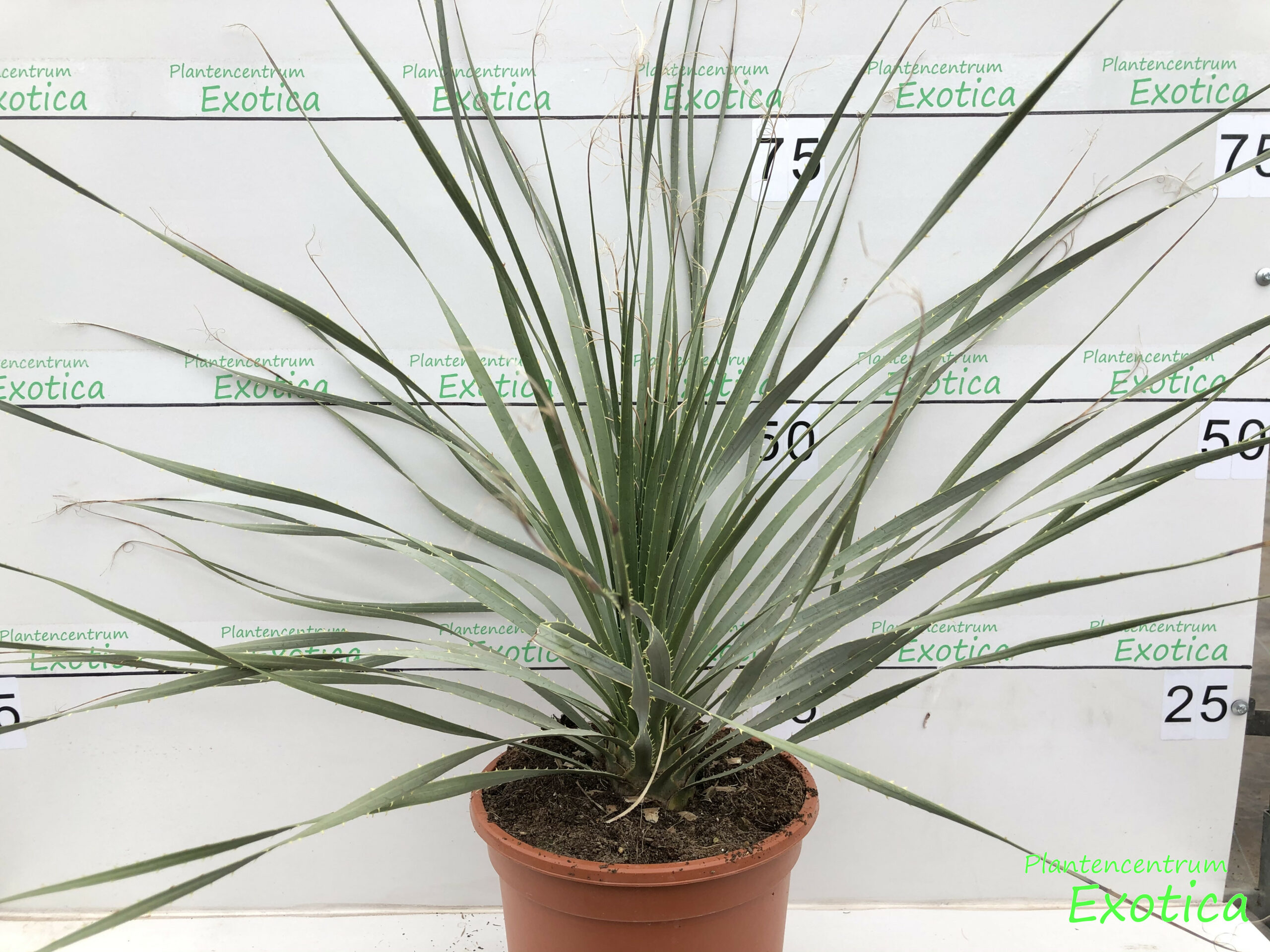
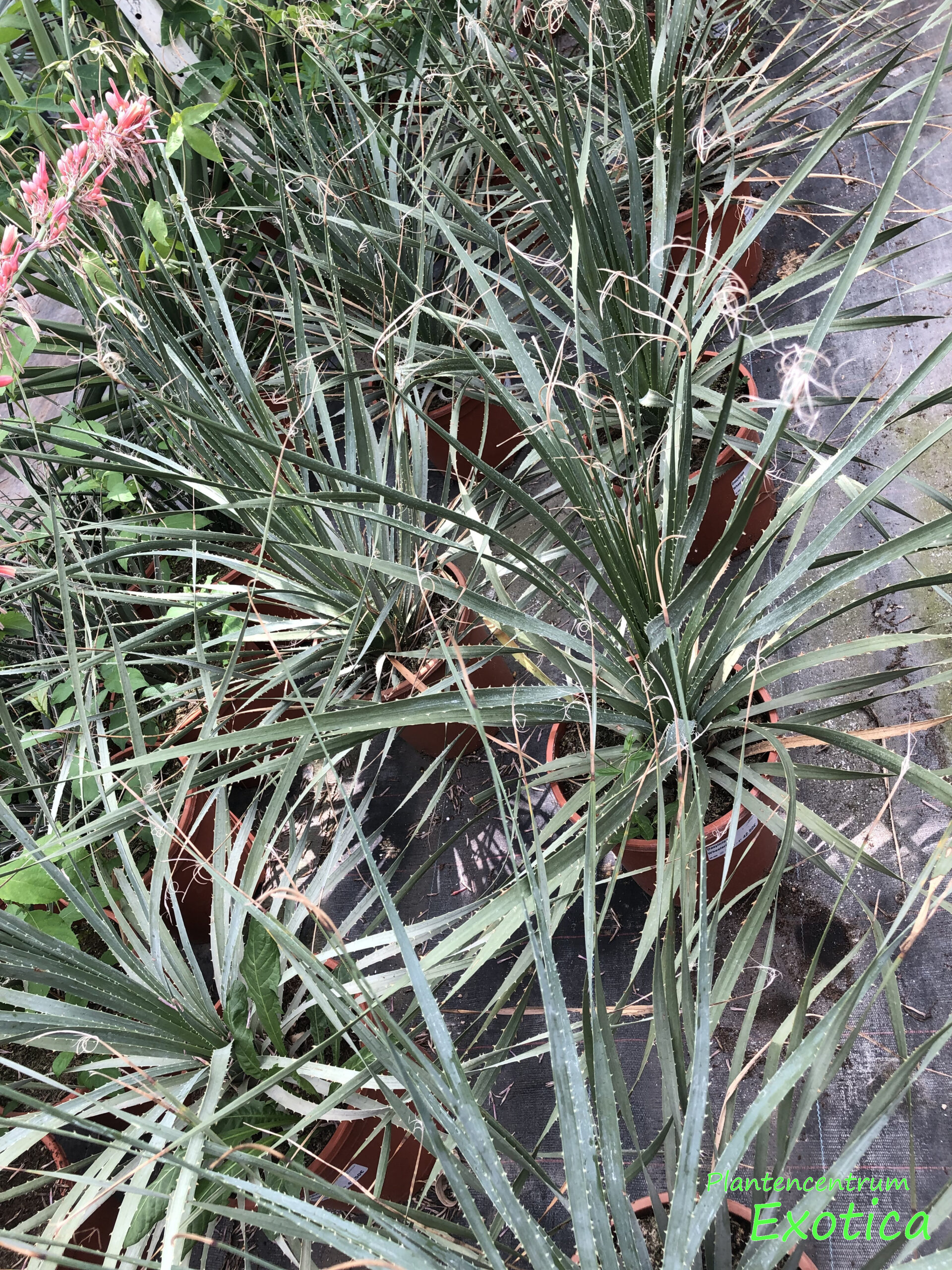
Dasylirion wheeleri, also known as desert spoon, desert candle , or desert spoon, is an evergreen succulent with a symmetrical rosette of long, blue-green leaves with sharp teeth and a spoon-shaped base.
Origin
- Occurs naturally in arid areas of the southwestern United States (southern Arizona, New Mexico, western Texas) and northern Mexico (especially Chihuahua and Sonora).
- Grows in the Sonoran Desert and Chihuahuan Desert, on rocky slopes, dry gravel soils, desert grasslands, chaparral and semi-desert at altitudes of about 900–2000 meters.
- Adapted to extreme drought, heat, poor soils and periods without rain.
- Endemic to habitats with well-drained, rocky or sandy soils; adapted to Mediterranean-like climates with hot summers and mild winters.
Care
- Grows slowly to a rosette 1–1.5 metres wide and after many years a short trunk to 1.5–2 metres high; leaves long (up to 1 meter), grey-green/blue-green, with hook-shaped teeth and sometimes fraying at the tips.
- Prefers full sun, tolerates heat and reflected heat excellently; Light shade is possible, but full sun gives the best colour and growth.
- Plant in very well-drained, poor to dry soil (sandy, gravelly, rocky or calcareous); pH neutral to slightly alkaline; Avoid heavy clay or wet feet (root rot risk).
- Watering: extremely drought tolerant; Give sparingly, only during settlement or in extreme drought; allow soil to dry completely between waterings; no water in the crown (crown rot); Once established, almost no water is needed.
- Winter hardiness: good frost resistance (down to about -10 to -15 °C, sometimes lower in dry conditions); Apply mulch in colder areas or overwinter frost-free as a container plant.
- Fertilization: little to none; in case of emergency in spring, a low dose of cactus/succulent manure; avoid over-fertilization.
- Pruning: remove dead or damaged leaves; wear gloves because of sharp teeth; Low maintenance, pest and disease free (except for root rot when too wet).
Usage
- Mainly ornamental plant: prized for architectural shape, symmetry, blue-gray leaves and dramatic rosette; Perfect for drought-resistant gardens, rock gardens, Mediterranean or desert gardens.
- Traditional use by indigenous peoples fibrous leaves for braiding baskets, mats, ropes, datching and paper; heart of the plant fermented for food or drink
Related products
-
Agave Lophantha Quadricolor
€14.50 -
Agave Montana
Price range: €14.95 through €137.49