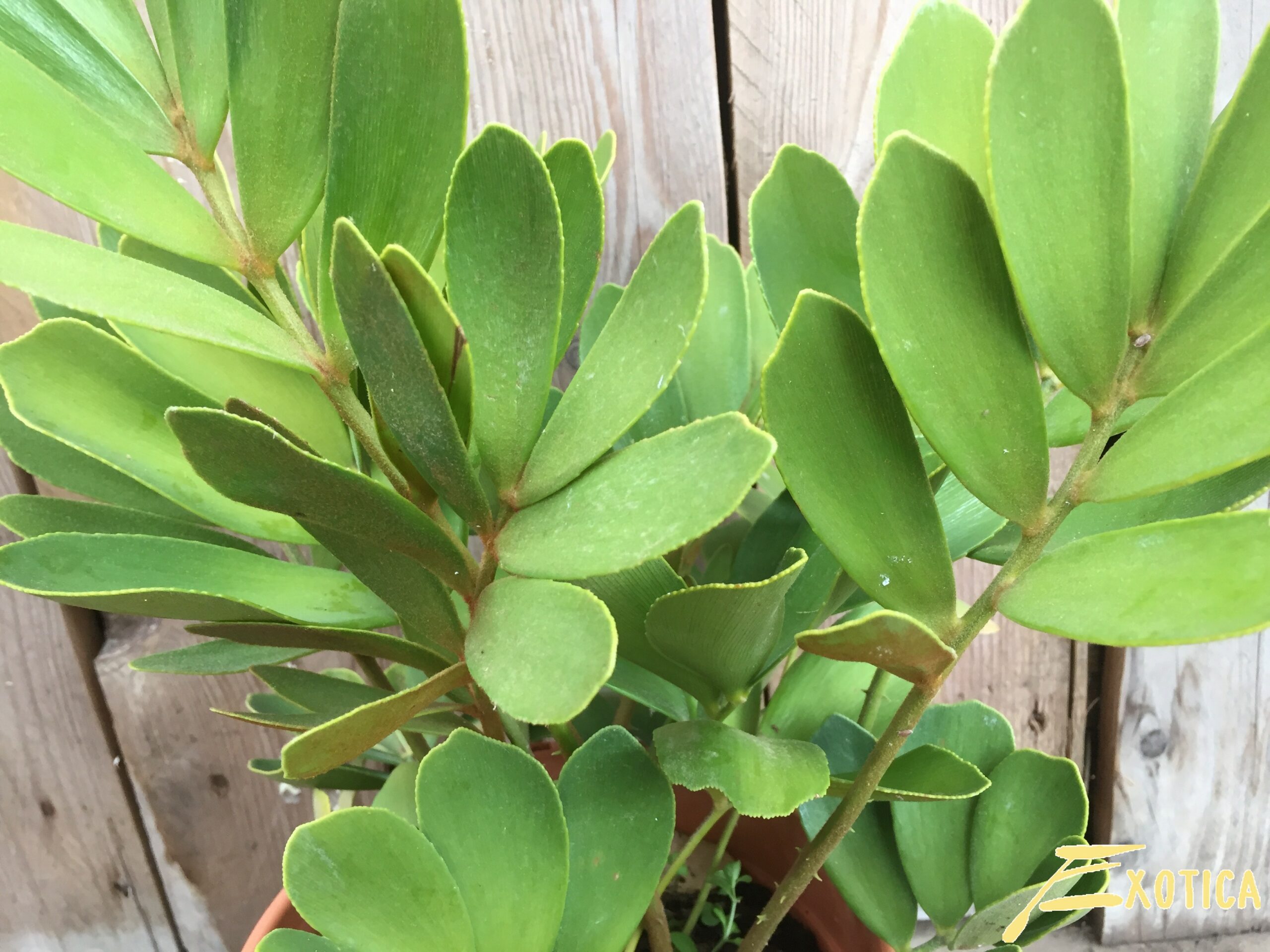
Zamia Furfuracea
March 28, 2019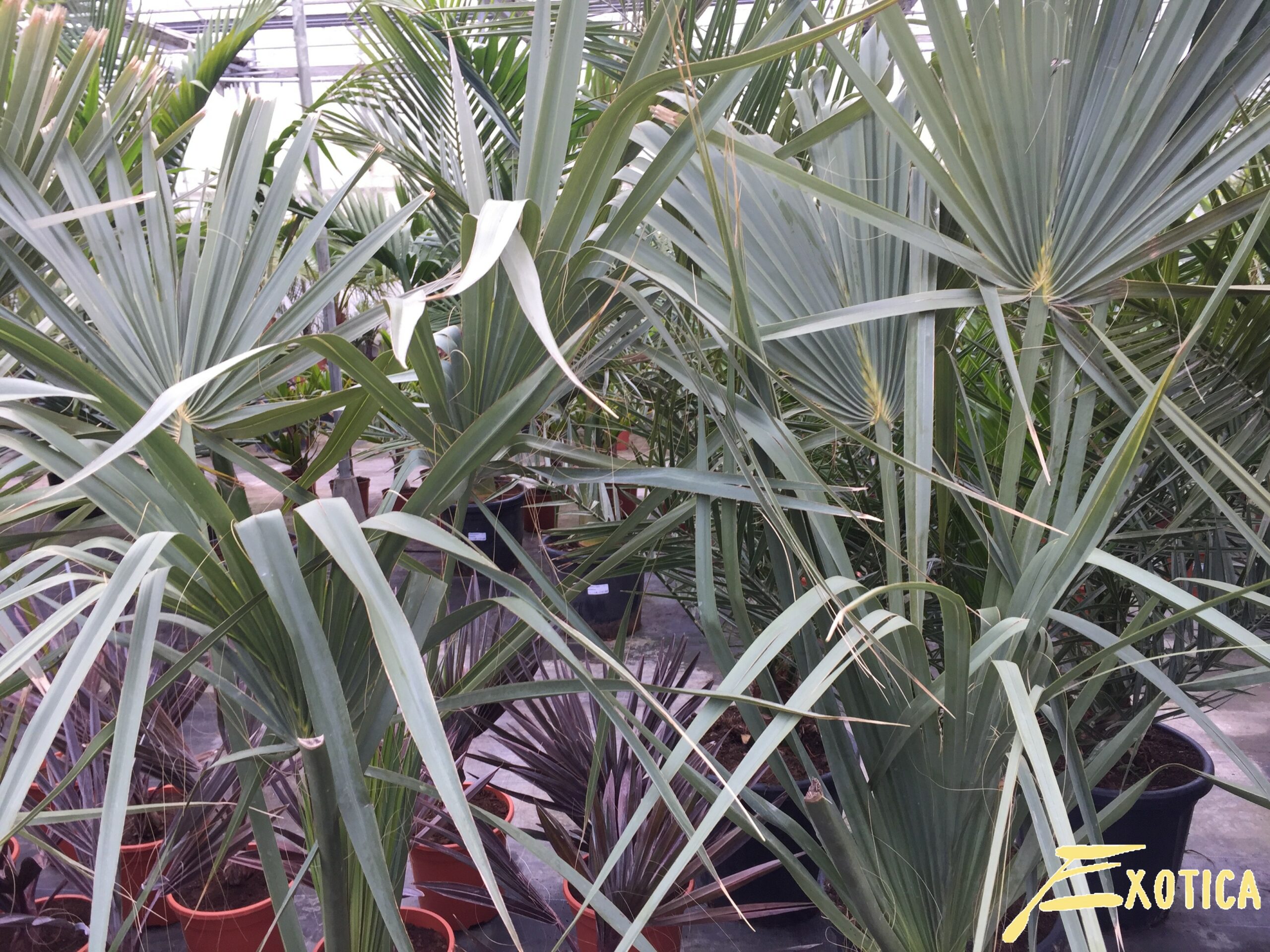
Sabal Palmetto
March 29, 2019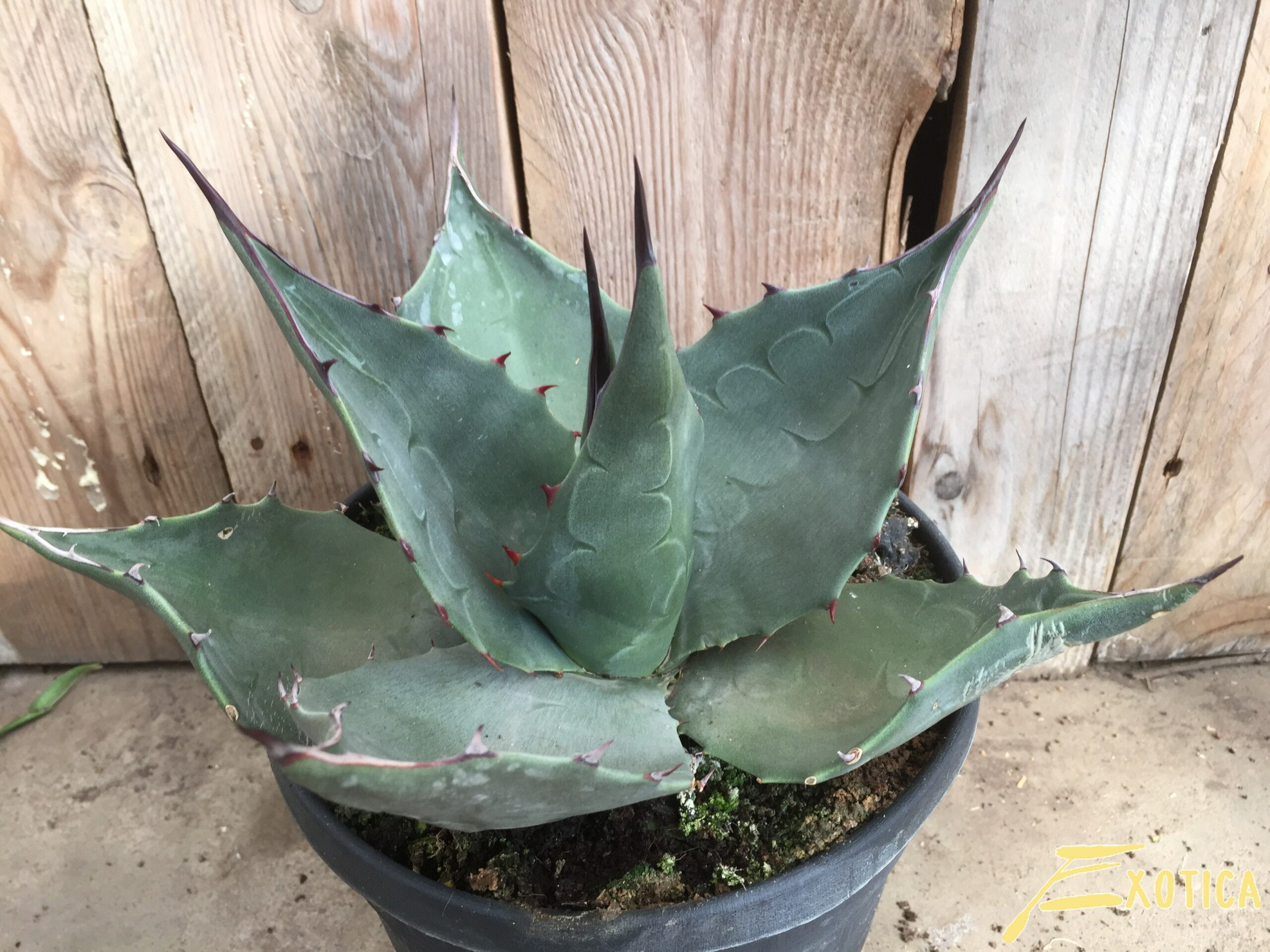

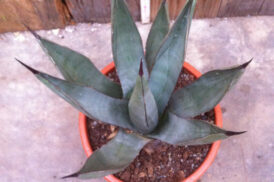
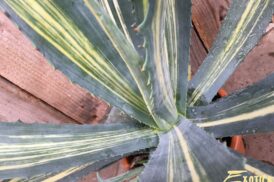
Agave Havardiana – Havard’s Agave
| Min Temp : | -18°C |
| Pitch: | Sun |
| Water requirements : | Limited |
| Flowering period : | – |
| Scented : | No |
| Edible: | No |
| Use: | Container / Patio plant |
| Evergreen: | Yes |
| Height: | Up to 0.5m |
€29.50
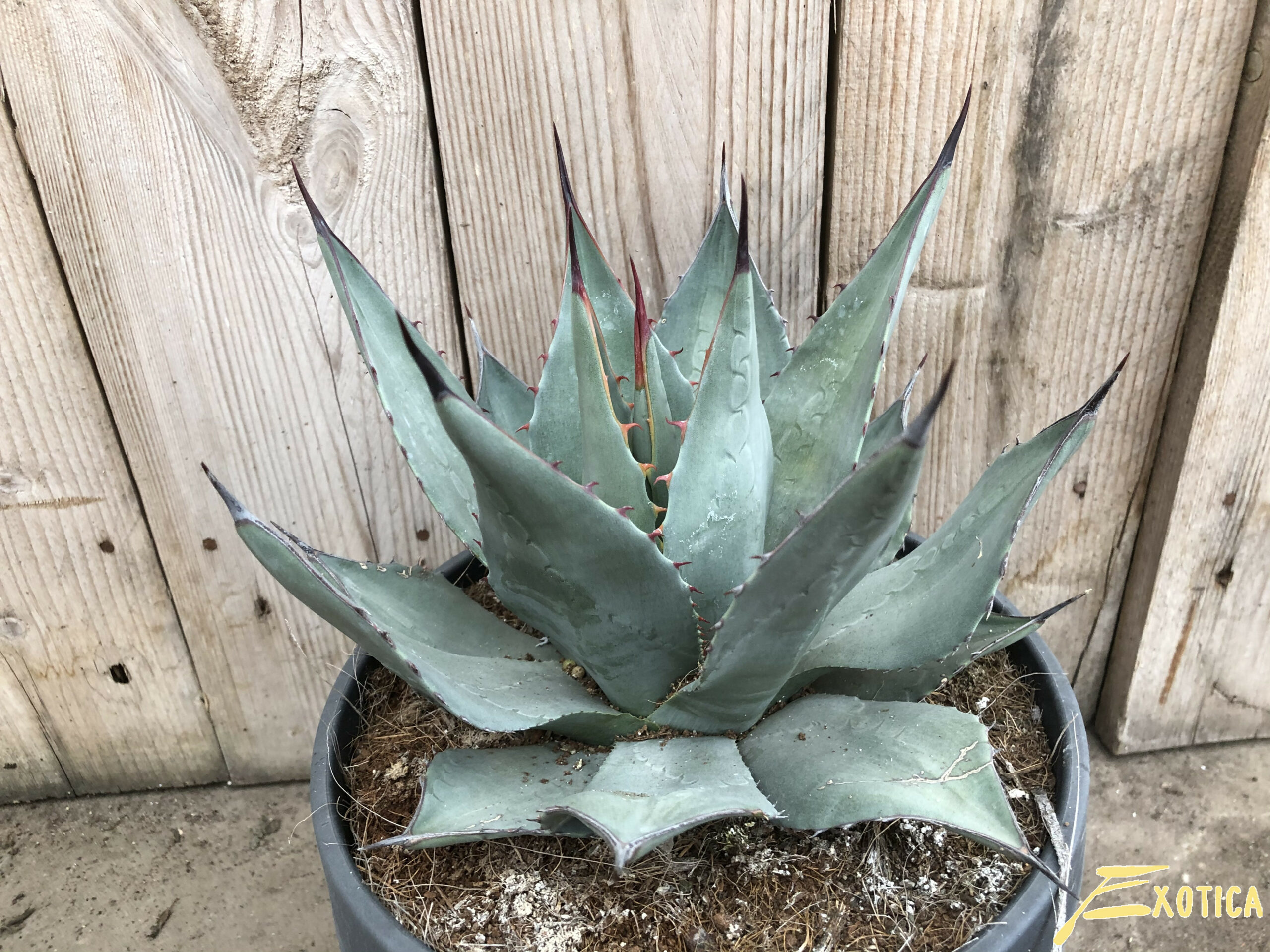
Agave havardiana (also known as Havard’s Agave, Chisos Agave)
- Origin:
- Endemic to the Chihuahuan Desert in western Texas (mainly Big Bend National Park, Chisos Mountains and Davis Mountains) and northern Mexico (states of Chihuahua and Coahuila).
- Grows wild on grassy to rocky slopes, in open forests, grasslands, desert scrub and pinyon-juniper/oak-woodlands at 1,100–2,000 m altitude.
- Care:
- Medium-sized rosette 60–90 cm high and 90–120 cm wide with broad, silver-grey/blue-green leaves, broad teeth and long black terminal thorn; slow-growing (15–30+ years to flowering).
- Requires full sun to light shade; extremely well-drained, lean/rotten/sandy/calcareous soil, drainage is crucial.
- Highly drought-tolerant and extremely cold-resistant: USDA zone 5–10 (survives -15 to -20 °C/in dry conditions); Water sparingly (let the soil dry completely), keep it almost completely dry in winter.
- Low maintenance: minimal fertilization, ideal for xeriscape, rock gardens, coastal gardens or large pots; Flower stem can grow 3–5 m high with yellow flowers.
- Usage:
- Mainly as an ornamental plant: beautiful architectural accent plant with striking silver-grey rosettes; Popular in dry gardens, rock gardens and containers because of its hardiness and beautiful leaf colour.