Gift card
August 13, 2015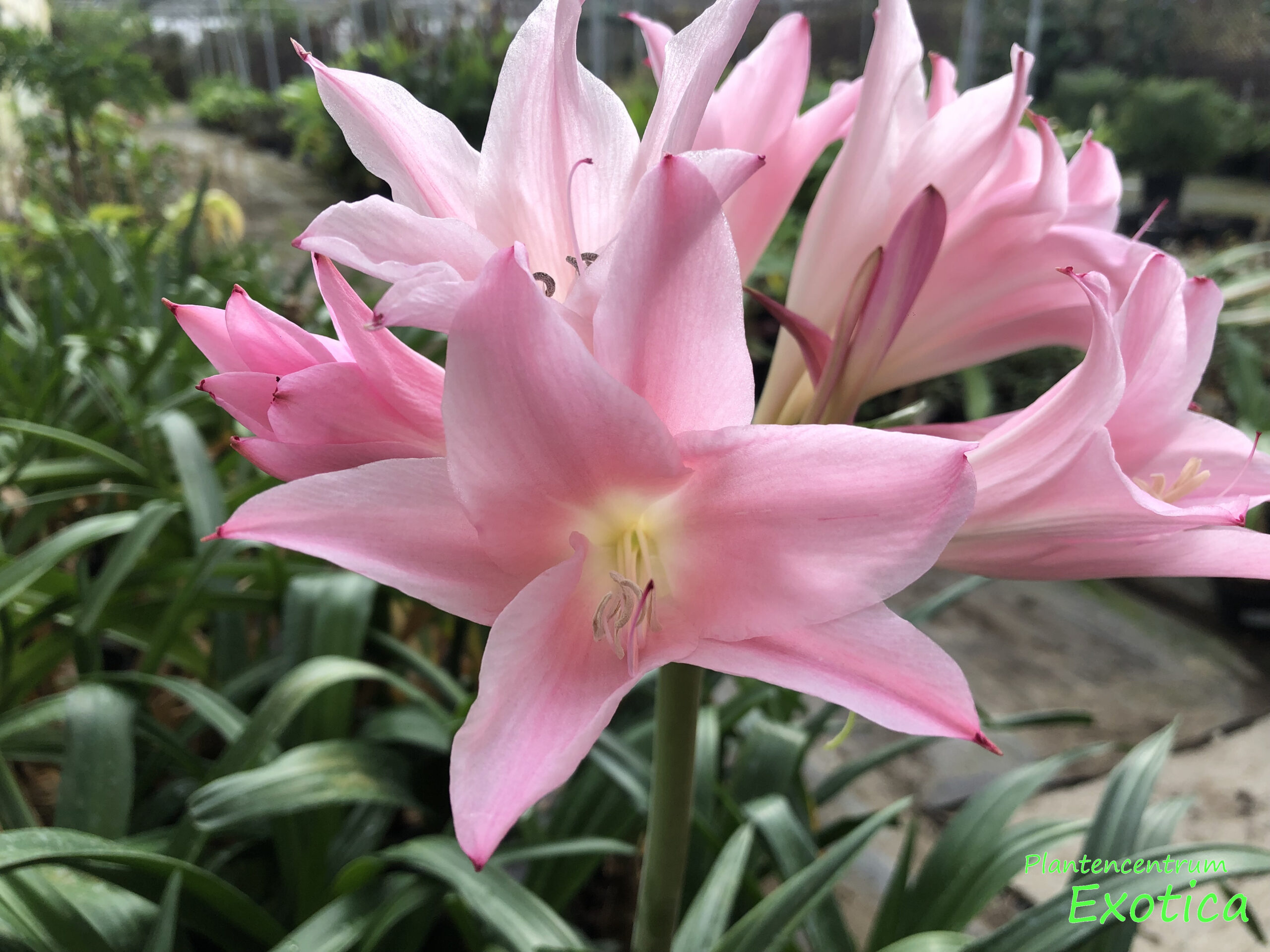
Amarcrinum Howardii
August 19, 2015
Cymbopogon Citratus – Lemongrass
| Min Temp : | +8°C |
| Pitch: | Sunny |
| Water requirements : | Moderate |
| Flowering period : | – |
| Scented : | No |
| Edible: | Yes |
| Use: | Container / Patio plant |
| Evergreen: | Yes |
| Height : | up to 1.5m |
€9.95
Cymbopogon citratus, also known as lemongrass , is an aromatic tropical grass species famous for its fresh lemony aroma and taste.
Origin
- Originally from Southeast Asia and South Asia, especially India, Sri Lanka, Malaysia.
- Grows naturally in warm, humid climates in open fields, grasslands, forest edges and moist soils with good drainage.
Care
- Grows as dense clumps up to 1.5–2 metres tall and 1–1.2 metres wide, with long, narrow, arched leaves.
- Prefers full sun (at least 6 hours of direct light per day); Light partial shade is possible, but full sun promotes the best growth and aroma.
- Plant in fertile, well-drained soil with a pH of 6.5–7.0; Add organic matter for moisture retention, but avoid heavy clay or waterlogging (root rot risk).
- Watering: keep the soil consistently moist (not soaked); Water regularly during establishment and growing season, then moderately (drought tolerant if established).
- Temperature: tropical warm (above 20 °C ideal); not frost-resistant (dies at temperatures below 0–5 °C); In colder climates, grow as a container plant and overwinter frost-free (indoors in a light, warm place).
- Fertilization: apply a balanced fertilizer every 4–6 weeks during the growing season (spring/summer); Do not over-fertilize to prevent leaf growth at the expense of aroma.
- Pruning: harvesting leaves by cutting off the outer stems layer; Cut back in autumn/winter for bushy growth.
Usage
- Culinary applications: widely used in Asian cuisines for soups, curries, teas, fish, poultry, and seafood; The bottom white stems (base) are finely chopped or crushed for lemony flavor.
- Tea and infusions: leaves fresh or dried as aromatic teas for digestion, relaxation and cooling.
- Other uses: as an insect repellent in the garden or home; in cosmetics for skin and hair care (balancing for oily skin, against acne); sometimes as a decorative garden plant due to its fragrance and graceful growth form.
| Weight | N/A |
|---|
Related products
-
Pitahaya – Hylocereus Undatus (Dragon Fruit, Dragon Fruit) (White Flesh)
Price range: €12.50 through €39.95