Brugmansia Casacolacreek
June 10, 2024
Epiphyllum ‘Janga’
June 13, 2024

Tamarindus indica- Tamarind
| Min Temp : | +8°C |
| Pitch: | Sunny |
| Water requirements : | Average |
| Flowering period : | 4-9 |
| Scented : | No |
| Edible: | Yes |
| Use: | Container / Patio plant |
| Evergreen: | Semi evergreen |
| Height: | 2m and more |
Price range: €11.95 through €39.95
Tamarindus indica, also known as tamarind, tamarind or imli (in India), is an evergreen to semi-evergreen tropical tree from the legume family with sour, sweet-sour legumes.
Origin
- Originally from tropical Africa (especially East and West Africa, such as Sudan, Nigeria, Kenya, Ethiopia).
- The name “tamarind” comes from the Persian “tamar-i-hind” (Indian date); in Sanskrit “Amlika” → indicates ancient presence in India.
- Grows naturally in dry savannahs, moist valleys, along rivers and coastal areas in well-drained, poor to fertile soils; adapted to drought and heat.
Care
- Grows as a tree up to 20 meters high with a broad crown and thick trunk; Slowly growing in youth, later faster.
- Prefers full sun , tolerates heat and warmth excellently.
- Plant in well-drained, fertile to poor soil (sandy-loamy, pH 6.0–7.5); tolerates saline, calcareous or poor soils; Add organic matter for better growth.
- Watering: regularly during settlement; moderate thereafter (very drought tolerant if established); Keep the soil slightly moist, but no waterlogging (root rot risk).
- Winter hardiness: limited (USDA zones 9b–11); tolerates light frost up to about -5 to -8 °C for a short time; in colder climates (such as the Netherlands/Belgium) grow as a container plant and overwinter frost-free (min. 5–10 °C, light spot indoors).
- Fertilization: manure balanced in the growing season (spring/summer); do not over-fertilize; nitrogen-fixing via root nodules.
- Pruning: minimal; light shaping in spring or after fruiting; The tree tolerates heavy pruning well.
Usage
- Culinary applications: pulp of the pods (sweet-sour) in sauces (such as Worcestershire sauce), chutneys, curries, sambar, soups, lemonades, candy, jam, syrup and drinks; young leaves and flowers edible in salads or curries.
- Medicinal/Traditional: laxative (against constipation), digestive stimulant, fever-reducer, anti-inflammatory, antimicrobial; used for stomach upset, diarrhea, dysentery, wounds, malaria, cough, diabetes, high blood pressure, skin problems and as an antioxidant; in Ayurveda, TCM and African folk medicine.
- Nutritional value: rich in vitamin C, B vitamins, iron, potassium, magnesium, fiber and antioxidants; Pulp contains a lot of organic acids (such as tartaric acid).
| Weight | N/A |
|---|
Related products
-
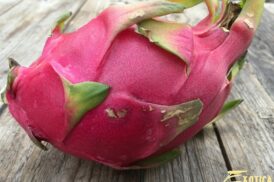
Pitahaya – Hylocereus Undatus (Dragon Fruit, Dragon Fruit) (White Flesh)
Price range: €12.50 through €39.95