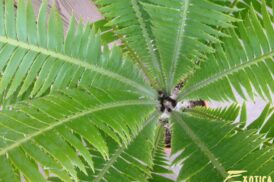
Phoenix Roebelenii – dwarf date palm
October 15, 2015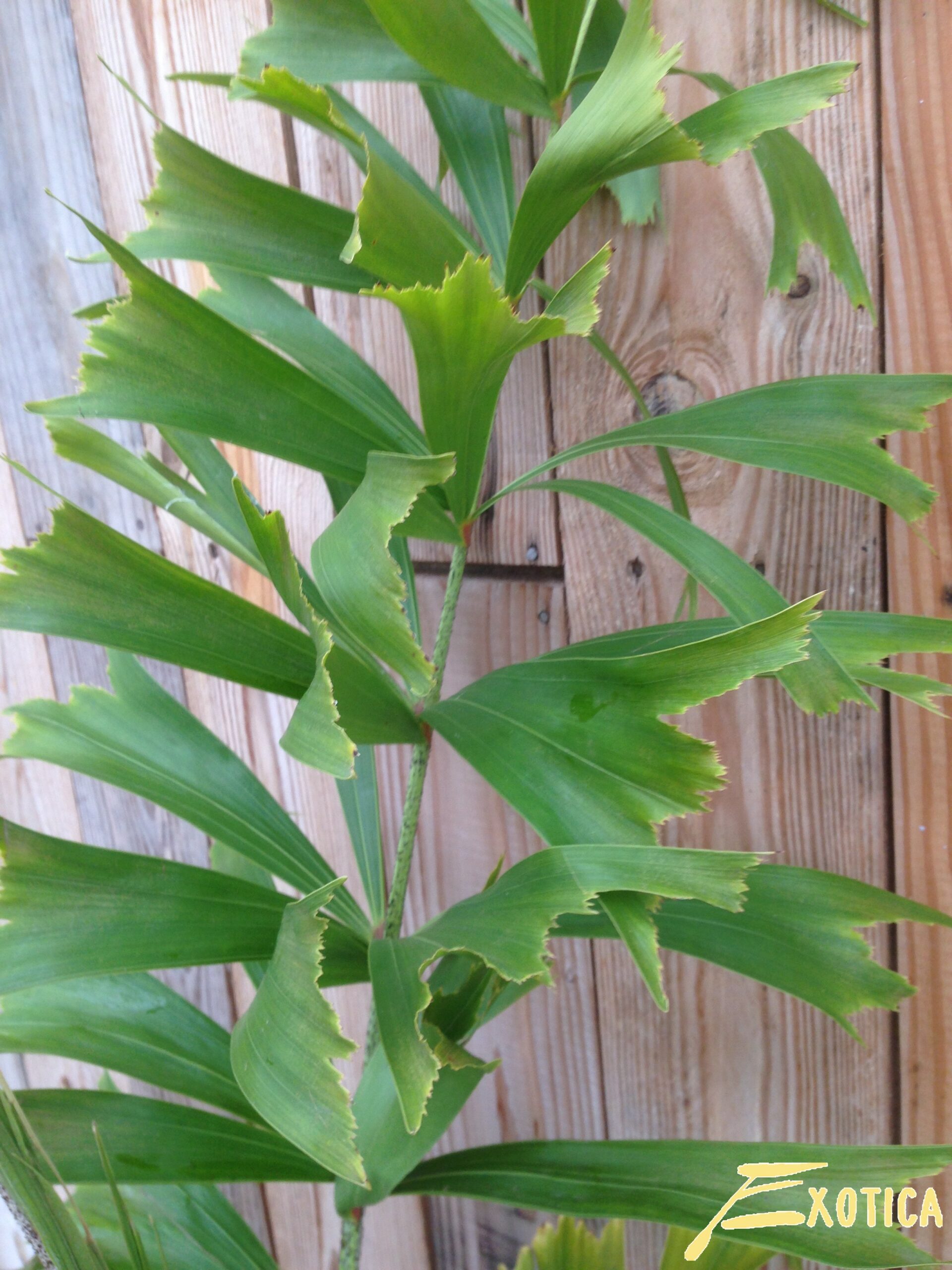
Wodyetia Bifurcata – Foxtail Palm
October 15, 2015


Dypsis Decaryi – Triangle Palm
| Min Temp : | +8°C |
| Location: | Sun / Partial Shade |
| Water requirements: | Regular |
| Flowering period : | Na |
| Scented: | No |
| Edible: | No |
| Usage: | Pot / Terrace plant |
| Evergreen: | Yes |
| Height: | Up to 10m |
Price range: €12.95 through €44.95
Neodypsis decaryi/ Triangle palm
The palm family (Palmae or Arecaceae: both are permitted) is the only family in the order Arecales. Nearly 4,000 species of the palm family are known, with fossil finds dating back 40 million years. Although some winter-hardy palm species exist (suitable for the UK and Northern Europe), most species naturally occur in the tropics or subtropics.
Palms usually have a pseudo-trunk. These plants develop a single stem with a growing point. The stem consists of stacked leaf bases and contains no bark. Consequently, the plant cannot grow in width like true trees. A young palm must reach a certain width before it can begin to grow in height.
The first palm species was cultivated approximately 5,000 years ago, starting with the date palm in the Middle East. Edible fruits include the awarra, date, coconut, moriche, peach palm, and salak. Palm oil is used for food preparation, soap, and fuel. Palms also provide materials for household items, such as rattan for carpet beaters and coconut fiber for coir mats. Less well-known products include sugar from the sugar palm, soap from coconuts, and hearts of palm. Indigenous populations often utilize many more applications.
Related products
-
Cyathea Cooperi – Treefern
€19.95 -
Dioon Spinulosum
€19.95 -
Cyathea milnei
Price range: €19.95 through €44.95